
header-logo header-logo

Not so clever marketing?

11 July 2025 / Professor Dr Ian Blackshaw
Issue: 8124 / Categories: Features , Sports law , Marketing
printer mail-detail
225396
As the women’s Euros kicks off, Ian Blackshaw pitches in from the sidelines with some tips on how to tackle ambush marketing

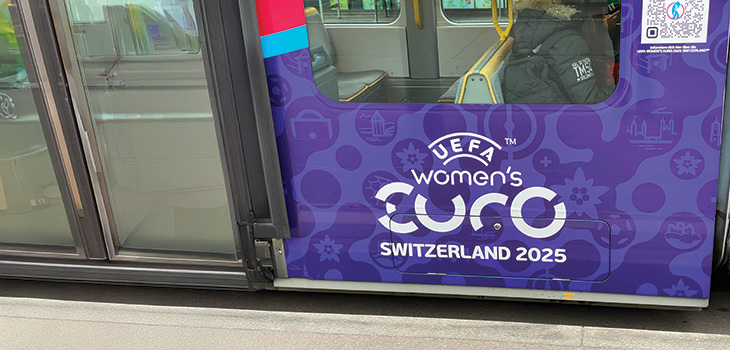
Women’s football continues to increase in popularity among fans and sponsors around the world, and the 14th edition of the UEFA women’s tournament, currently underway in Switzerland, is no exception.

With such an important competition and considerable financial interest in it from sponsors and broadcasters, some forms of ‘ambush marketing’—a term that was coined in the 1980s by Jerry Walsh of American Express—are likely to rear their ugly heads.

Often referred to as ‘clever’ marketing, it is, in fact, a form of unfair competition in an economic or business sense. UEFA, which strictly prohibits ambush marketing, will aim to combat any instances of it, for the protection of the sponsors of the tournament.

A creative sport

Ambush marketing takes various forms according to the creativity of those who engage in this unfair marketing practice. These forms include using official event marks, logos or imagery without permission,

If you are not a subscriber, subscribe now to read this content
If you are already a subscriber sign in
...or Register for two weeks' free access to subscriber content

MOVERS & SHAKERS

Freeths—Ruth Clare

Freeths—Ruth Clare

National real estate team bolstered by partner hire in Manchester

Farrer & Co—Claire Gordon

Farrer & Co—Claire Gordon

Partner appointed head of family team

mfg Solicitors—Neil Harrison

mfg Solicitors—Neil Harrison

Firm strengthens agriculture and rural affairs team with partner return

NEWS
Conveyancing lawyers have enjoyed a rapid win after campaigning against UK Finance’s decision to charge for access to the Mortgage Lenders’ Handbook
The Crown Prosecution Service (CPS) has launched a recruitment drive for talented early career and more senior barristers and solicitors
Regulators differed in the clarity and consistency of their post-Mazur advice and guidance, according to an interim report by the Legal Services Board (LSB)
The Solicitors Act 1974 may still underpin legal regulation, but its age is increasingly showing. Writing in NLJ this week, Victoria Morrison-Hughes of the Association of Costs Lawyers argues that the Act is ‘out of step with modern consumer law’ and actively deters fairness
A Competition Appeal Tribunal (CAT) ruling has reopened debate on the availability of ‘user damages’ in competition claims. Writing in NLJ this week, Edward Nyman of Hausfeld explains how the CAT allowed Dr Liza Lovdahl Gormsen’s alternative damages case against Meta to proceed, rejecting arguments that such damages are barred in competition law
back-to-top-scroll
