
header-logo header-logo

Dangerous cargoes

220699
Michael L Nash reflects on collisions, causes & consequences

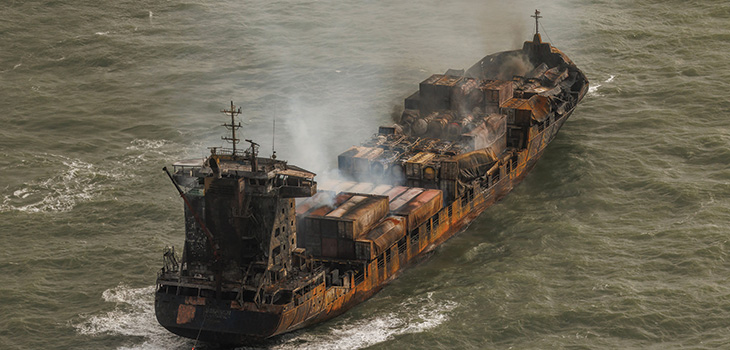
Ships at sea, in the vast oceans of the world, always face dangers, even in this age of communications only dreamed of by previous mariners: dangers of collision, especially in bad visibility, fire, explosion, enemy action, hurricanes, icebergs, whirlpools, hidden reefs and sandbanks, volcanic activity, ships abandoned and still afloat. The list seems endless.

Then, of course, there are the consequences of loss, and the possibility that the vessel which is lost was carrying a dangerous cargo, sometimes not declared as to its true nature, especially in wartime or a time of political tension.

Added to this are the legal consequences: insurance, litigation, arbitration, mediation, commissions of inquiry—interim and final—which will include the causes of the loss, natural, human and accidental. And if all rockets point in one direction with regard to fault, is there sufficient proof? Is the loss res ipsa loquitur, or is it circumstantial?

New hazards & responsibilities

Can the law, and the design of ships,

If you are not a subscriber, subscribe now to read this content
If you are already a subscriber sign in
...or Register for two weeks' free access to subscriber content

MOVERS & SHAKERS

NLJ Career Profile: Kate Gaskell, Flex Legal

NLJ Career Profile: Kate Gaskell, Flex Legal

Kate Gaskell, CEO of Flex Legal, reflects on chasing her childhood dreams underscores the importance of welcoming those from all backgrounds into the profession

Dorsey & Whitney—Jonathan Christy

Dorsey & Whitney—Jonathan Christy

Dispute resolution team welcomes associate in London

Winckworth Sherwood—Kevin McManamon

Winckworth Sherwood—Kevin McManamon

Special education needs and mental capacity expert joins as partner

NEWS
Overcrowded prisons, mental health hospitals and immigration centres are failing to meet international and domestic human rights standards, the National Preventive Mechanism (NPM) has warned
Two speedier and more streamlined qualification routes have been launched for probate and conveyancing professionals
Workplace stress was a contributing factor in almost one in eight cases before the employment tribunal last year, indicating its endemic grip on the UK workplace
In NLJ this week, Ian Smith, emeritus professor at UEA, explores major developments in employment law from the Supreme Court and appellate courts
Writing in NLJ this week, Kamran Rehman and Harriet Campbell of Penningtons Manches Cooper examine Operafund Eco-Invest SICAV plc v Spain, where the Commercial Court held that ICSID and Energy Charter Treaty awards cannot be assigned
back-to-top-scroll
