
header-logo header-logo

Cuban missile crisis: five days to save the world

24 May 2024 / William Gibson
Issue: 8072 / Categories: Features , International , Military , Governance
printer mail-detail
174008
Secretive talks, tense negotiations & an ultimatum narrowly averted tragedy, writes William Gibson

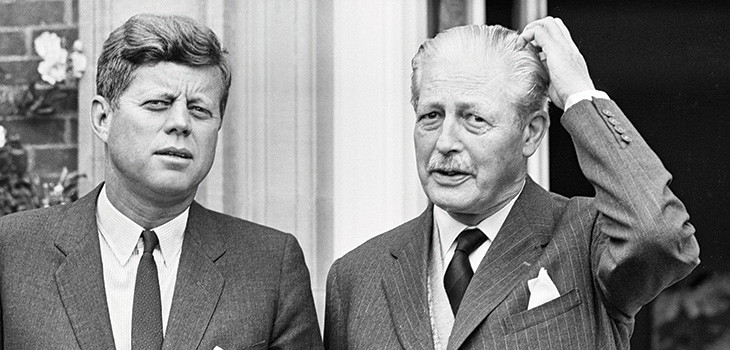
On 21 October 1962, US President JF Kennedy sent an urgent message to UK Prime Minister Harold Macmillan to say the US had photographic evidence that Russia had installed surface-to-air missiles in Cuba and, even worse, that Soviet ships carrying more missiles were heading for the Communist island.

America had been very wary of possible threats from Cuba since the coup which had seized power for Fidel Castro, always assumed to have been achieved with Soviet backing.

According to Kennedy, he had only two options available to him: he could order an all-out air strike to take out the existing missile sites and then blockade Cuba; or he could impose an immediate no-entry zone around the island but with no air strike. Fortunately, the second option, favoured by Macmillan, was chosen and a 500-mile exclusion zone was established, patrolled by the US navy and air force.

As the Russian ships neared Cuba

If you are not a subscriber, subscribe now to read this content
If you are already a subscriber sign in
...or Register for two weeks' free access to subscriber content

MOVERS & SHAKERS

NLJ Career Profile: Kate Gaskell, Flex Legal

NLJ Career Profile: Kate Gaskell, Flex Legal

Kate Gaskell, CEO of Flex Legal, reflects on chasing her childhood dreams underscores the importance of welcoming those from all backgrounds into the profession

Dorsey & Whitney—Jonathan Christy

Dorsey & Whitney—Jonathan Christy

Dispute resolution team welcomes associate in London

Winckworth Sherwood—Kevin McManamon

Winckworth Sherwood—Kevin McManamon

Special education needs and mental capacity expert joins as partner

NEWS
Overcrowded prisons, mental health hospitals and immigration centres are failing to meet international and domestic human rights standards, the National Preventive Mechanism (NPM) has warned
Two speedier and more streamlined qualification routes have been launched for probate and conveyancing professionals
Workplace stress was a contributing factor in almost one in eight cases before the employment tribunal last year, indicating its endemic grip on the UK workplace
In NLJ this week, Ian Smith, emeritus professor at UEA, explores major developments in employment law from the Supreme Court and appellate courts
Writing in NLJ this week, Kamran Rehman and Harriet Campbell of Penningtons Manches Cooper examine Operafund Eco-Invest SICAV plc v Spain, where the Commercial Court held that ICSID and Energy Charter Treaty awards cannot be assigned
back-to-top-scroll
