
header-logo header-logo

08 May 2015 / Thomas Jervis
Issue: 7651 / Categories: Features , Personal injury
printer mail-detail

What defect?

nlj_may_8_jervis

Thomas Jervis salutes the landmark product liability ruling in Boston Scientific

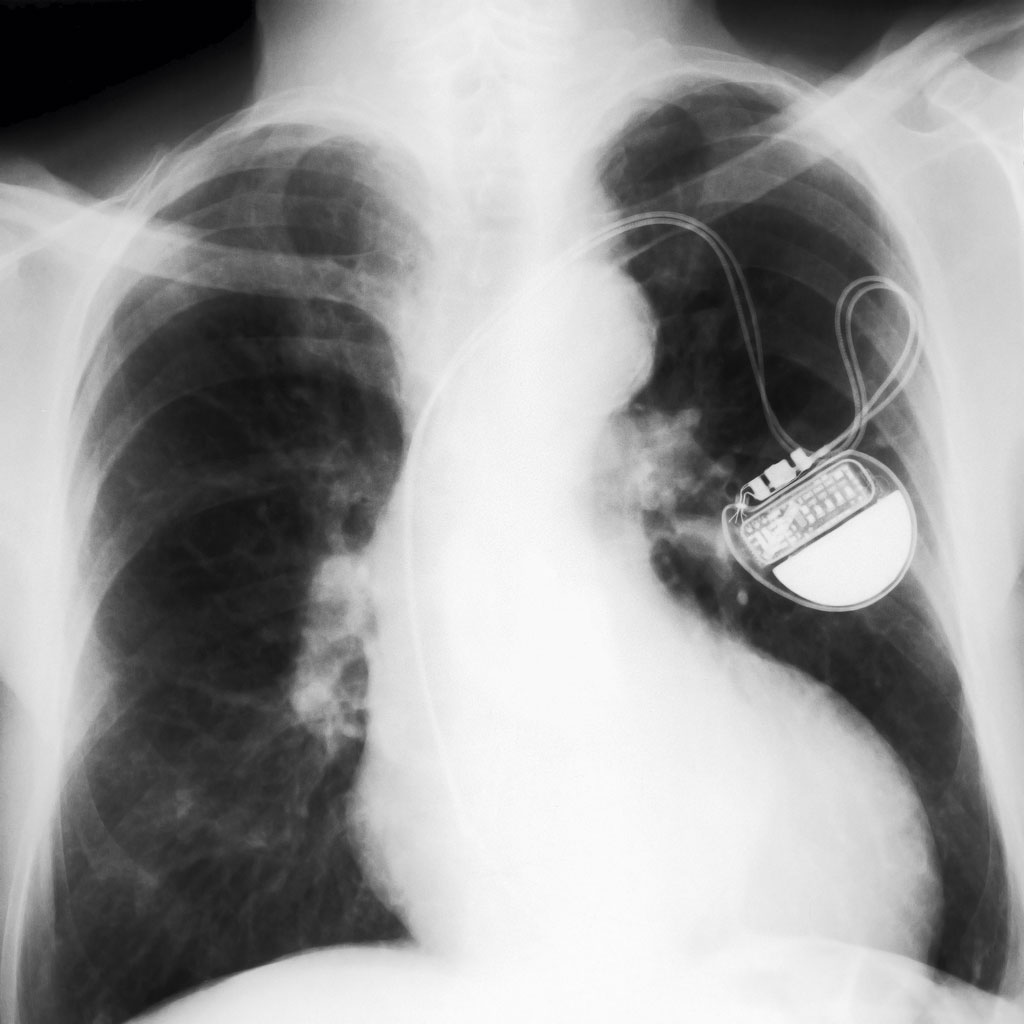
The Court of Justice of the European Union recently published its long awaited decision in Boston Scientific Medizintechnik v AOK Sachsen-Anhalt C503/13 and C504/13. This decision has important ramifications for practitioners in the field of product liability who deal with the EC Product Liability Directive 85/374/EEC (the directive) and the Consumer Protection Act 1987 (CPA 1987).

Boston Scientific suggests that a problem product may be “defective” without having to show that the product is defective in each individual case.

Background

The directive was adopted in 1985 and was implemented into UK law by the CPA 1987. This came in the wake of the Thalidomide scandal, and was a move across the EU to establish a harmonised regime to mediate between the interests of business to make profit and innovate, versus an accessible recourse for injured consumers.

Recital 2 of the directive discusses liability without fault on the part of the producer being “the sole means of adequately solving the problem, peculiar to

If you are not a subscriber, subscribe now to read this content
If you are already a subscriber sign in
...or Register for two weeks' free access to subscriber content

MOVERS & SHAKERS

Bellevue Law—Lianne Craig

Bellevue Law—Lianne Craig

Workplace law firm expands commercial disputes team with senior consultant hire

EIP—Rob Barker

EIP—Rob Barker

IP firm promotes patent attorney to partner

Muckle LLP—Ryan Butler

Muckle LLP—Ryan Butler

Banking and restructuring team bolstered by insolvency specialist

NEWS
The Supreme Court has delivered a decisive ruling on termination under the JCT Design & Build form. Writing in NLJ this week, Andrew Singer KC and Jonathan Ward, of Kings Chambers, analyse Providence Building Services v Hexagon Housing Association [2026] UKSC 1, which restores the first-instance decision and curbs contractors’ termination rights for repeated late payment
Secondments, disciplinary procedures and appeal chaos all feature in a quartet of recent rulings. Writing in NLJ this week, Ian Smith, barrister and emeritus professor of employment law at UEA, examines how established principles are being tested in modern disputes
The AI revolution is no longer a distant murmur—it’s at the client’s desk. Writing in NLJ this week, Peter Ambrose, CEO of The Partnership and Legalito, warns that the ‘AI chickens’ have ‘come home to roost’, transforming not just legal practice but the lawyer–client relationship itself
A High Court ruling involving the Longleat estate has exposed the fault line between modern family building and historic trust drafting. Writing in NLJ this week, Charlotte Coyle, director and family law expert at Freeths, examines Cator v Thynn [2026] EWHC 209 (Ch), where trustees sought approval to modernise trusts that retain pre-1970 definitions of ‘child’, ‘grandchild’ and ‘issue’
Fresh proposals to criminalise ‘nudification’ apps, prioritise cyberflashing and non-consensual intimate images, and even ban under-16s from social media have reignited debate over whether the Online Safety Act 2023 (OSA 2023) is fit for purpose. Writing in NLJ this week, Alexander Brown, head of technology, media and telecommunications, and Alexandra Webster, managing associate, Simmons & Simmons, caution against reactive law-making that could undermine the Act’s ‘risk-based and outcomes-focused’ design
back-to-top-scroll
