
header-logo header-logo

Unclear & present danger

17 April 2015 / Michael Young
Issue: 7648 / Categories: Features , Expert Witness , Profession
printer mail-detail
nlj_april_17_solon

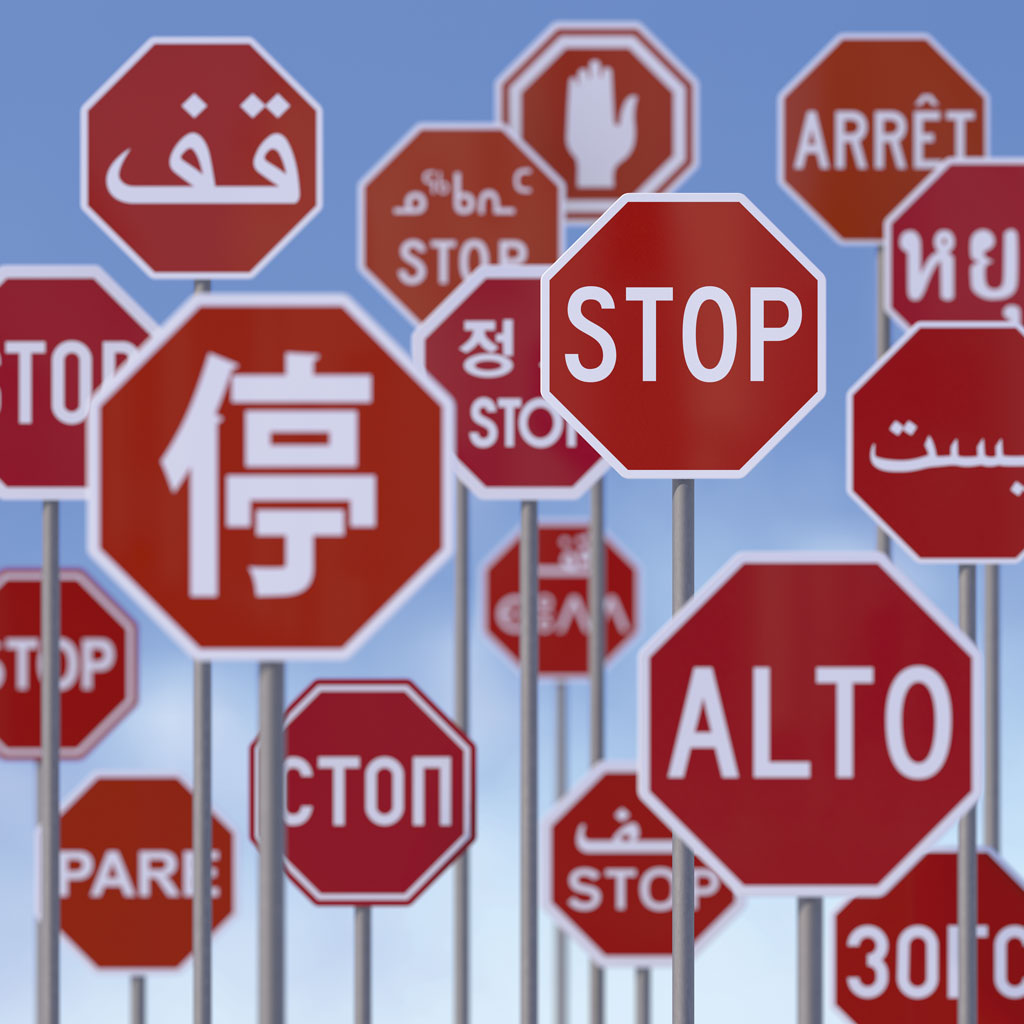
Michael Young asks, are we divided by a common language?

“If language is not correct, then what is said is not what is meant; if what is said is not what is meant, then what ought to be done remains undone” (Confucius).

Lawyers and expert witnesses inhabit entirely different intellectual worlds. Lawyers have been trained to extract information from documents, to ask closed questions, and above all, to win their argument no matter which side they are on. An excellent lawyer will be able to present a good argument from both sides. The expert is in some respects an interloper. The lawyer relies heavily on the expert helping them win their case. However, technical expertise does not automatically qualify someone to be an expert: very different skills and competencies are also required. One of those skills is the ability to “translate” the language of their profession into language that can be easily understood by the legal profession who are, after all, lay people in this context. It is often this failure to translate,

If you are not a subscriber, subscribe now to read this content
If you are already a subscriber sign in
...or Register for two weeks' free access to subscriber content

MOVERS & SHAKERS

Gibson Dunn—London partner promotions

Gibson Dunn—London partner promotions

Firm grows international bench with expanded UK partner class

Shakespeare Martineau—six appointments

Shakespeare Martineau—six appointments

Firm makes major statement in the capital with strategic growth at The Shard

Myers & Co—Jess Latham

Myers & Co—Jess Latham

Residential conveyancing team expands with solicitor hire

NEWS
One in five in-house lawyers suffer ‘high’ or ‘severe’ work-related stress, according to a report by global legal body, the Association of Corporate Counsel (ACC)
The Legal Ombudsman’s (LeO’s) plea for a budget increase has been rejected by the Law Society and accepted only ‘with reluctance’ by conveyancers
Overcrowded prisons, mental health hospitals and immigration centres are failing to meet international and domestic human rights standards, the National Preventive Mechanism (NPM) has warned
Two speedier and more streamlined qualification routes have been launched for probate and conveyancing professionals
Workplace stress was a contributing factor in almost one in eight cases before the employment tribunal last year, indicating its endemic grip on the UK workplace
back-to-top-scroll
