
header-logo header-logo

Time to go private?

05 December 2025 / Niall Hearty
Issue: 8142 / Categories: Features , Profession , Fraud , Criminal
printer mail-detail
237708
Niall Hearty on why private prosecutions have become increasingly popular
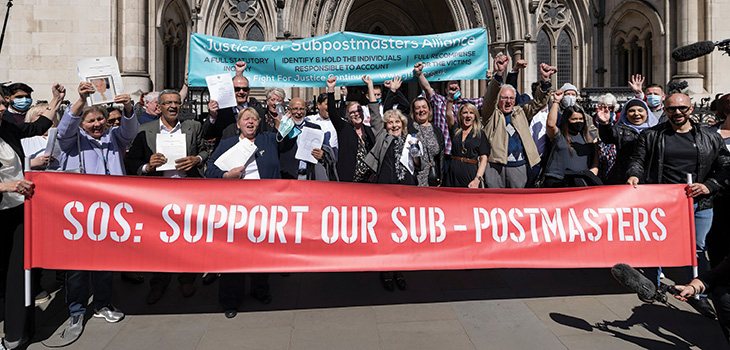
  • Private prosecutions are on the rise as stretched public authorities and growing fraud push more people to seek their own route to justice.
  • Success depends on expert guidance, swift evidence gathering and a clear assessment of whether this route is truly the best option.

There are few aspects of legal life that are not fully recorded, reported on and capable of being assessed through stacks of statistics. But private prosecutions appears to be one.

While there is no database that gives figures for the number of private prosecutions brought each year, the anecdotal evidence indicates this has been an expanding area of law for over a decade.

Just as there is no set of figures to detail the scale of the rise in private prosecutions, there is also no single, clear-cut reason for that increase. It can be argued, with some justification, that cuts to police and Crown Prosecution Service (CPS) funding have led to many people looking

If you are not a subscriber, subscribe now to read this content
If you are already a subscriber sign in
...or Register for two weeks' free access to subscriber content

MOVERS & SHAKERS

Birketts—Private client team

Birketts—Private client team

Four private client specialists join the team in Bristol

Moore Barlow—Joanna Earl, Thomas Denman & Lauren Johnson

Moore Barlow—Joanna Earl, Thomas Denman & Lauren Johnson

Private wealth disputes team expands in Surrey with new solicitor trio

NLJ Career Profile: Ben Daniels, DAC Beachcroft

NLJ Career Profile: Ben Daniels, DAC Beachcroft

Ben Daniels, newly elected as the next senior partner of DAC Beachcroft, reflects on his leadership inspiration and considers an impish alternative career

NEWS
Overcrowded prisons, mental health hospitals and immigration centres are failing to meet international and domestic human rights standards, the National Preventive Mechanism (NPM) has warned
Two speedier and more streamlined qualification routes have been launched for probate and conveyancing professionals
Workplace stress was a contributing factor in almost one in eight cases before the employment tribunal last year, indicating its endemic grip on the UK workplace
In NLJ this week, Ian Smith, emeritus professor at UEA, explores major developments in employment law from the Supreme Court and appellate courts
Writing in NLJ this week, Kamran Rehman and Harriet Campbell of Penningtons Manches Cooper examine Operafund Eco-Invest SICAV plc v Spain, where the Commercial Court held that ICSID and Energy Charter Treaty awards cannot be assigned
back-to-top-scroll
