
header-logo header-logo

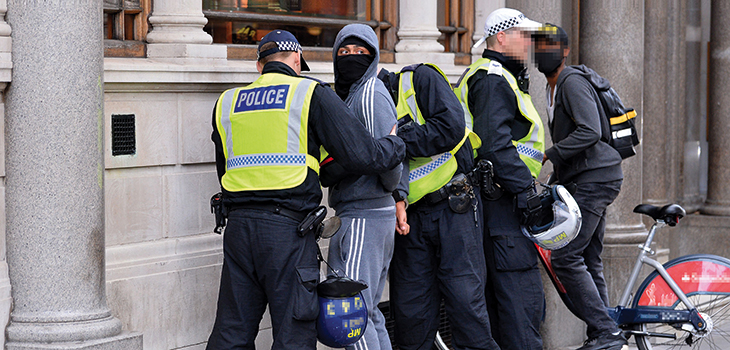
Stop & search: In search of improvement

11 November 2020 / Neil Parpworth
Issue: 7910 / Categories: Features , Criminal , Procedure & practice , Covid-19
printer mail-detail
31571
Neil Parpworth reports on the latest stop and search figures and calls for an intelligence led approach

In brief

  • Stop and search powers: PACE and associated legislation.
  • Headline figures: a significant increase in recorded stop and searches.
  • Impact of the pandemic: making greater use of powers?

Each year, towards the end of October, the Home Office publishes statistical data relating to the use of certain statutory powers by police forces in England and Wales. The period covered by the data adopts a financial year approach, ie the year ending 31 March. For present purposes, the focus of the discussion will be on the data relating to police use of powers to stop and search in 2019/20.

The powers

For data collection purposes, stop and searches are categorised as being made under either: s 1 of the Police and Criminal Evidence Act 1984 (PACE) and associated legislation, eg s 23(2) of the Misuse of Drugs Act 1971; s 60 of the Criminal Justice and Public Order

If you are not a subscriber, subscribe now to read this content
If you are already a subscriber sign in
...or Register for two weeks' free access to subscriber content

MOVERS & SHAKERS

Muckle LLP—Rachael Chapman

Muckle LLP—Rachael Chapman

Sports, education and charities practice welcomes senior associate

Ellisons—Carla Jones

Ellisons—Carla Jones

Partner and head of commercial litigation joins in Chelmsford

Freeths—Louise Mahon

Freeths—Louise Mahon

Firm strengthens Glasgow corporate practice with partner hire

NEWS
One in five in-house lawyers suffer ‘high’ or ‘severe’ work-related stress, according to a report by global legal body, the Association of Corporate Counsel (ACC)
The Legal Ombudsman’s (LeO’s) plea for a budget increase has been rejected by the Law Society and accepted only ‘with reluctance’ by conveyancers
Overcrowded prisons, mental health hospitals and immigration centres are failing to meet international and domestic human rights standards, the National Preventive Mechanism (NPM) has warned
Two speedier and more streamlined qualification routes have been launched for probate and conveyancing professionals
Workplace stress was a contributing factor in almost one in eight cases before the employment tribunal last year, indicating its endemic grip on the UK workplace
back-to-top-scroll
