
header-logo header-logo

A sporting chance

05 October 2012 / Jack Harris
Issue: 7532 / Categories: Features , Personal injury
printer mail-detail
istock_000008462540medium_4

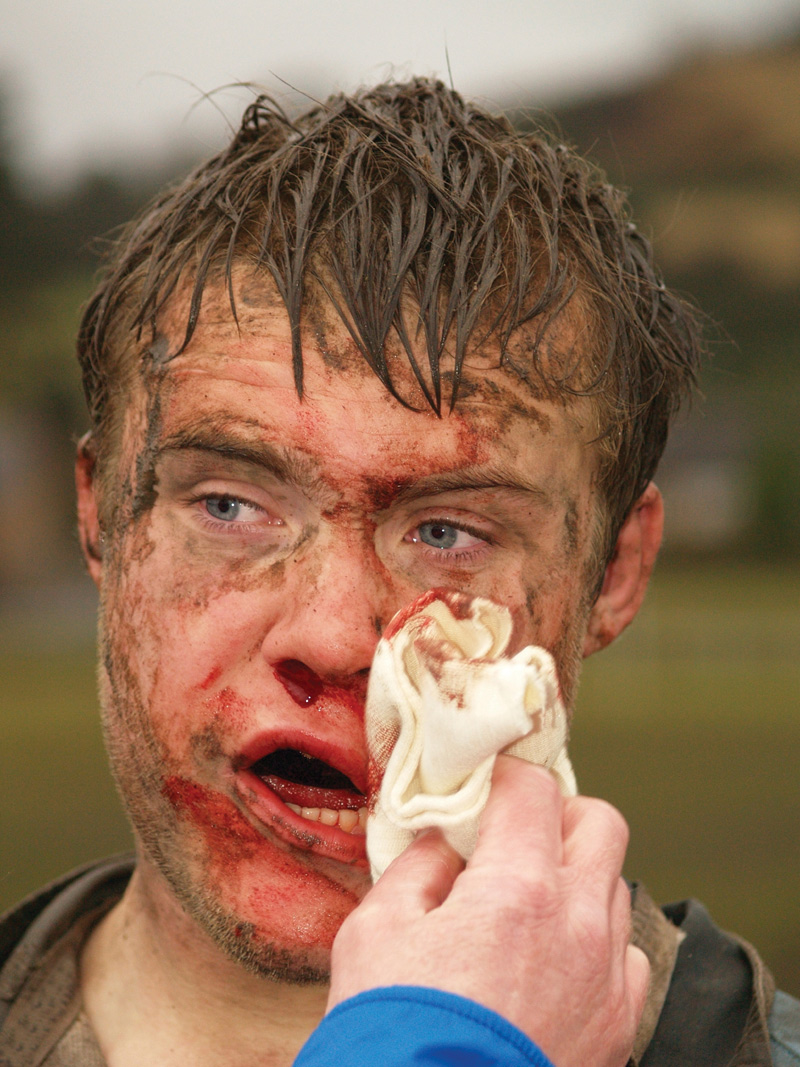
Can an amateur sports club be held vicariously liable for the tort of one of its players? Jack Harris reports

It is trite law that there is a two-stage test for deciding whether a defendant is vicariously liable for the tort of another person:

  • Stage one involves an inquiry into whether the nature of the relationship between the defendant and the tortfeasor is such that the principles of vicarious liability might attach. The obvious example of the sort of relationship, which would satisfy the test at stage one, is that of employer and employee.
  • Stage two involves an inquiry into the connection between the defendant and the tortious act or omission of the tortfeasor.

The recent decision of the Court of Appeal in JGE v Trustees of the Portsmouth Roman Catholic Diocesan Trust [2012] EWCA Civ 938 has clarified the correct approach for a court to adopt at stage one. This clarification is of particular note in the context of cases involving the negligence of amateur sports players (eg, a dangerous football tackle

If you are not a subscriber, subscribe now to read this content
If you are already a subscriber sign in
...or Register for two weeks' free access to subscriber content

MOVERS & SHAKERS

Freeths—Ruth Clare

Freeths—Ruth Clare

National real estate team bolstered by partner hire in Manchester

Farrer & Co—Claire Gordon

Farrer & Co—Claire Gordon

Partner appointed head of family team

mfg Solicitors—Neil Harrison

mfg Solicitors—Neil Harrison

Firm strengthens agriculture and rural affairs team with partner return

NEWS
Conveyancing lawyers have enjoyed a rapid win after campaigning against UK Finance’s decision to charge for access to the Mortgage Lenders’ Handbook
The Crown Prosecution Service (CPS) has launched a recruitment drive for talented early career and more senior barristers and solicitors
Regulators differed in the clarity and consistency of their post-Mazur advice and guidance, according to an interim report by the Legal Services Board (LSB)
The Solicitors Act 1974 may still underpin legal regulation, but its age is increasingly showing. Writing in NLJ this week, Victoria Morrison-Hughes of the Association of Costs Lawyers argues that the Act is ‘out of step with modern consumer law’ and actively deters fairness
A Competition Appeal Tribunal (CAT) ruling has reopened debate on the availability of ‘user damages’ in competition claims. Writing in NLJ this week, Edward Nyman of Hausfeld explains how the CAT allowed Dr Liza Lovdahl Gormsen’s alternative damages case against Meta to proceed, rejecting arguments that such damages are barred in competition law
back-to-top-scroll
