
header-logo header-logo

Sound the alarm

27 November 2015 / Karen O’Sullivan
Issue: 7678 / Categories: Features
printer mail-detail
nlj_7678_osullivan

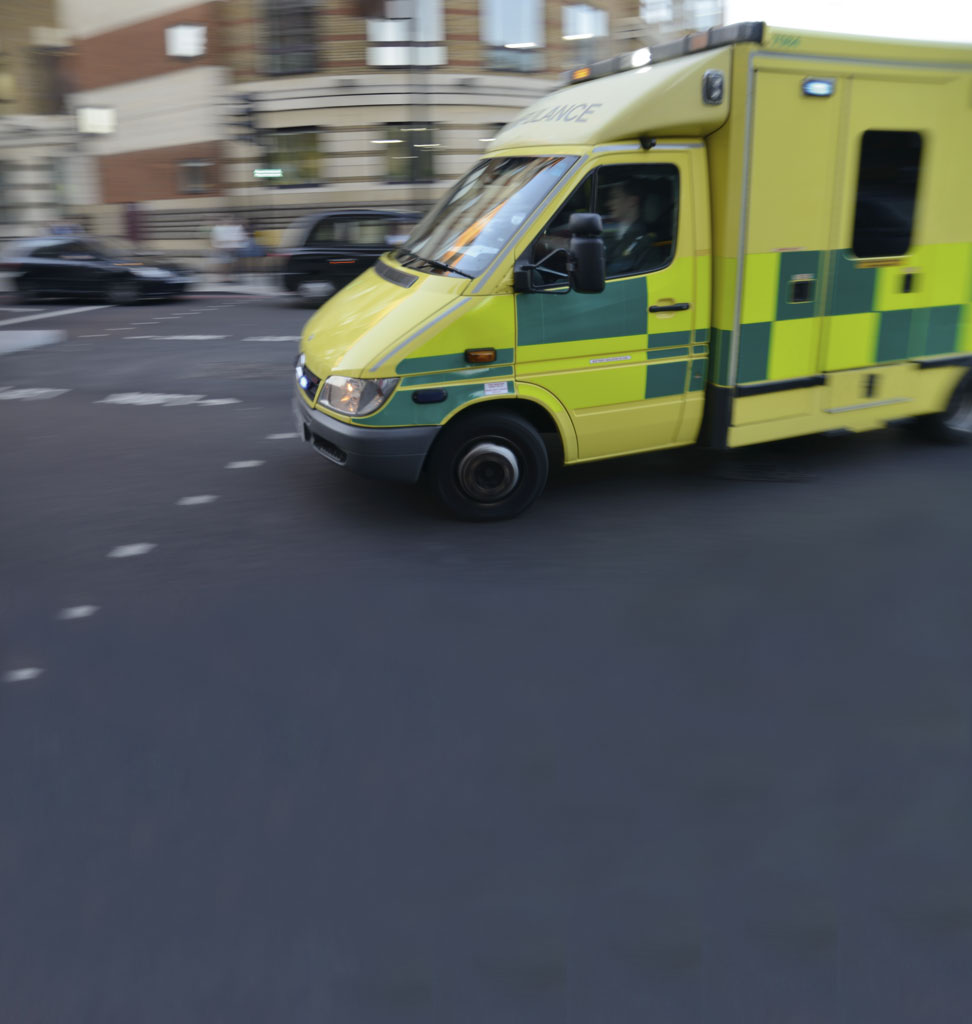
Considering the liability of emergency vehicles is a difficult balancing act for the courts, says Karen O’Sullivan

The Court of Appeal recently considered the issue of liability of emergency vehicles in the case of MacLeod v Commissioner for Metropolitan Police [2015] EWCA Civ 688, [2015] All ER (D) 98 (Jul). Although that case is not the most helpful, being an appeal against findings of facts (hence the appeal was, perhaps not surprisingly, dismissed), it does give us cause to remind ourselves of the law relating to emergency vehicles.

In considering liability, the courts have to perform a difficult balancing act. On one hand, those injured in collisions with emergency services should not be denied compensation, simply because the other vehicle was on an emergency call. On the other hand, if the courts are too liberal with the emergency services’ money, not only will the taxpayer have to foot the bill, but the drivers of such vehicles will be inhibited in their attempts to reach the scene of an emergency promptly.

Duty of care

The first guiding

If you are not a subscriber, subscribe now to read this content
If you are already a subscriber sign in
...or Register for two weeks' free access to subscriber content

MOVERS & SHAKERS

NLJ Career Profile: Kate Gaskell, Flex Legal

NLJ Career Profile: Kate Gaskell, Flex Legal

Kate Gaskell, CEO of Flex Legal, reflects on chasing her childhood dreams underscores the importance of welcoming those from all backgrounds into the profession

Dorsey & Whitney—Jonathan Christy

Dorsey & Whitney—Jonathan Christy

Dispute resolution team welcomes associate in London

Winckworth Sherwood—Kevin McManamon

Winckworth Sherwood—Kevin McManamon

Special education needs and mental capacity expert joins as partner

NEWS
Overcrowded prisons, mental health hospitals and immigration centres are failing to meet international and domestic human rights standards, the National Preventive Mechanism (NPM) has warned
Two speedier and more streamlined qualification routes have been launched for probate and conveyancing professionals
Workplace stress was a contributing factor in almost one in eight cases before the employment tribunal last year, indicating its endemic grip on the UK workplace
In NLJ this week, Ian Smith, emeritus professor at UEA, explores major developments in employment law from the Supreme Court and appellate courts
Writing in NLJ this week, Kamran Rehman and Harriet Campbell of Penningtons Manches Cooper examine Operafund Eco-Invest SICAV plc v Spain, where the Commercial Court held that ICSID and Energy Charter Treaty awards cannot be assigned
back-to-top-scroll
