
header-logo header-logo

Rise of the lawbots

02 March 2018 / Rupert Jones
Issue: 7783 / Categories: Features , Profession , Technology
printer mail-detail
nlj_7783_jones

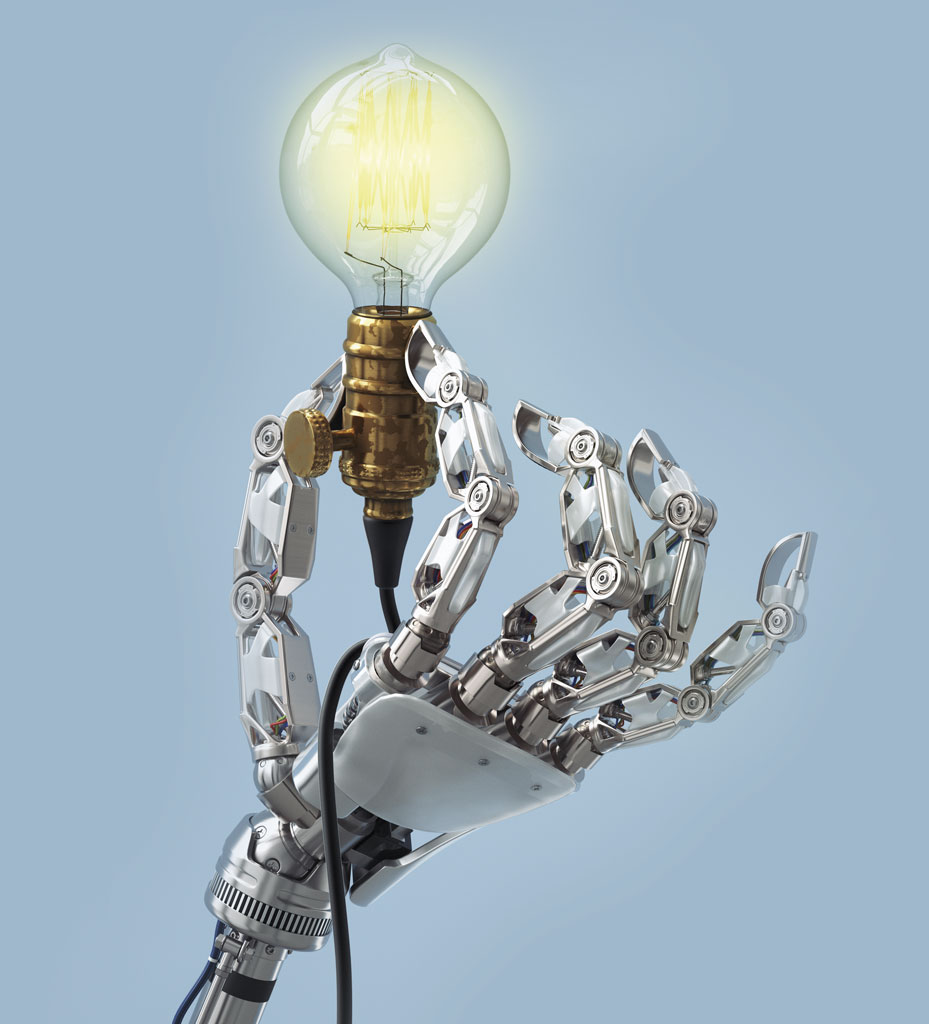
While the courtroom is still the preserve of the human advocate, lawbots are shuffling into legal services elsewhere. Rupert Jones puts the market leaders to the test

The robots are coming—and this time it’s lawyers who could feel under threat. Fortunately, artificially intelligent (AI) droids are not, yet, generally celebrated for their powers of advocacy. So while a crisp turn of phrase, engaging presentation, and persuasive argument remain the preserve of humans, advocates will still have an important role. But outside of the courtroom there is no doubt that AI bots are starting to undertake increasing types of legal work.

Bots can now have conversations with people about their legal dilemmas and use algorithms to predict the outcome of their case. Work undertaken by human lawyers for centuries is being computerised.

Elexirr: playing the language game of law?

Leading the way is CaseCrunch (the new name for what was Elexirr), a bot created by Cambridge students. Their initial ‘lawbot’ helped people determine whether they had been the victim of a sexual offence, now

If you are not a subscriber, subscribe now to read this content
If you are already a subscriber sign in
...or Register for two weeks' free access to subscriber content

MOVERS & SHAKERS

Quinn Emanuel—James McSweeney

Quinn Emanuel—James McSweeney

London promotion underscores firm’s investment in white collar and investigations

Ward Hadaway—Louise Miller

Ward Hadaway—Louise Miller

Private client team strengthened by partner appointment

NLJ Career Profile: Kate Gaskell, Flex Legal

NLJ Career Profile: Kate Gaskell, Flex Legal

Kate Gaskell, CEO of Flex Legal, reflects on chasing her childhood dreams underscores the importance of welcoming those from all backgrounds into the profession

NEWS
Overcrowded prisons, mental health hospitals and immigration centres are failing to meet international and domestic human rights standards, the National Preventive Mechanism (NPM) has warned
Two speedier and more streamlined qualification routes have been launched for probate and conveyancing professionals
Workplace stress was a contributing factor in almost one in eight cases before the employment tribunal last year, indicating its endemic grip on the UK workplace
In NLJ this week, Ian Smith, emeritus professor at UEA, explores major developments in employment law from the Supreme Court and appellate courts
Writing in NLJ this week, Kamran Rehman and Harriet Campbell of Penningtons Manches Cooper examine Operafund Eco-Invest SICAV plc v Spain, where the Commercial Court held that ICSID and Energy Charter Treaty awards cannot be assigned
back-to-top-scroll
