
header-logo header-logo

Reigning supreme

22 January 2016 / Brice Dickson
Issue: 7683 / Categories: Features , In Court
printer mail-detail
nlj_7683_dickson

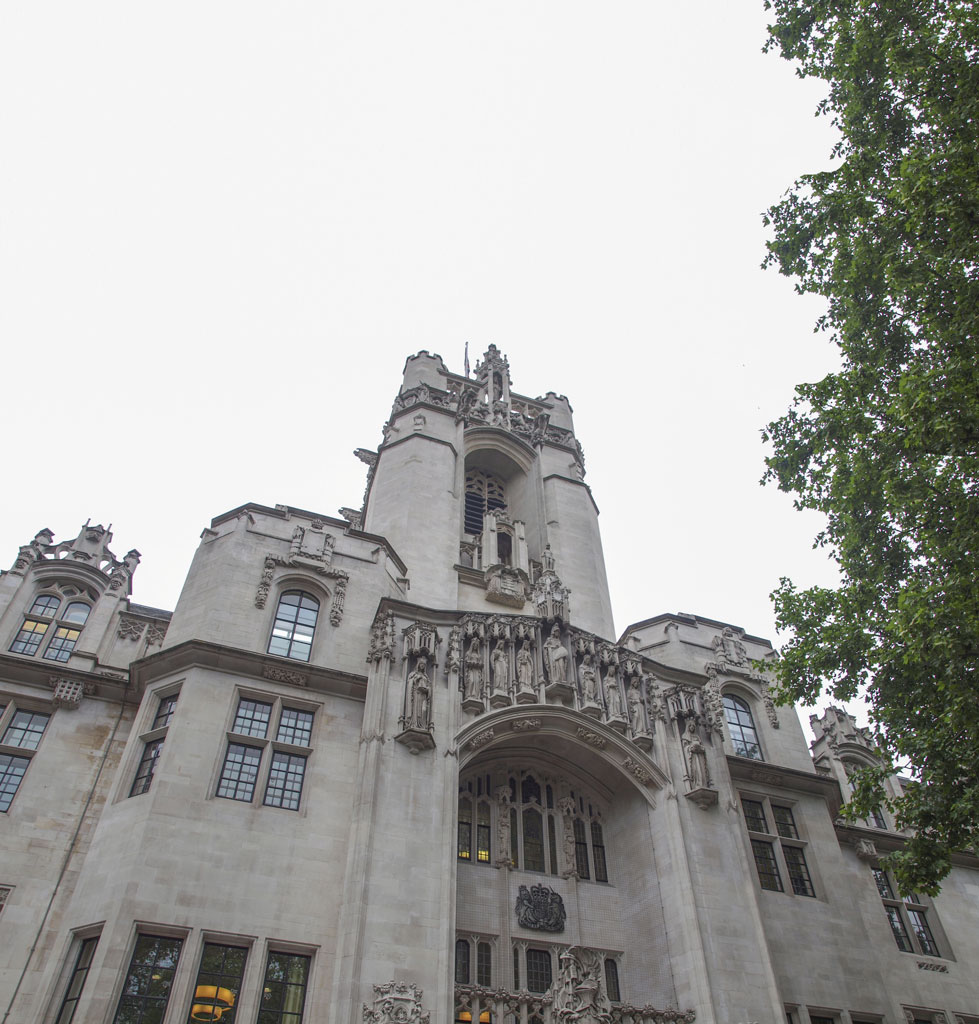
Brice Dickson casts an eye over events at The Supreme Court in 2015

For the second year running there were no changes in the composition of the Supreme Court during 2015, though the highly respected Jenny Rowe retired as the court’s chief executive.

There continues to be just one female justice, Lady Hale, and the average age of the 12 justices has crept up to 67. There will be at least one change in 2016, as Lord Toulson must retire by September.

Cases decided

In 2015, the court delivered judgments in 79 cases, compared with 68 in 2014 and 81 in 2013. As usual, most cases (65, or 82%) were heard by five justices, but 13 were heard by seven. In one case, dealing with a costs issue, only three justices sat. No case involved nine justices. The president of the court, Lord Neuberger, presided in 60 of the 79 cases (76%) and the deputy president, Lady Hale, presided in 16 (20%). The president and deputy president sat together in 27 cases (34%). Lord Mance presided

If you are not a subscriber, subscribe now to read this content
If you are already a subscriber sign in
...or Register for two weeks' free access to subscriber content

MOVERS & SHAKERS

Quinn Emanuel—James McSweeney

Quinn Emanuel—James McSweeney

London promotion underscores firm’s investment in white collar and investigations

Ward Hadaway—Louise Miller

Ward Hadaway—Louise Miller

Private client team strengthened by partner appointment

NLJ Career Profile: Kate Gaskell, Flex Legal

NLJ Career Profile: Kate Gaskell, Flex Legal

Kate Gaskell, CEO of Flex Legal, reflects on chasing her childhood dreams underscores the importance of welcoming those from all backgrounds into the profession

NEWS
Overcrowded prisons, mental health hospitals and immigration centres are failing to meet international and domestic human rights standards, the National Preventive Mechanism (NPM) has warned
Two speedier and more streamlined qualification routes have been launched for probate and conveyancing professionals
Workplace stress was a contributing factor in almost one in eight cases before the employment tribunal last year, indicating its endemic grip on the UK workplace
In Ward v Rai, the High Court reaffirmed that imprecise points of dispute can and will be struck out. Writing in NLJ this week, Amy Dunkley of Bolt Burdon Kemp reports on the decision and its implications for practitioners
Could the Supreme Court’s ruling in R v Hayes; R v Palombo unintentionally unsettle future complex fraud trials? Maia Cohen-Lask of Corker Binning explores the question in NLJ this week
back-to-top-scroll
