
header-logo header-logo

Olympic-standard rights protection

09 August 2024 / Athelstane Aamodt
Issue: 8083 / Categories: Features , Sports law , Sports litigation , Copyright
printer mail-detail
185043
Not only the athletes but the lawyers should win a gold medal, writes Athelstane Aamodt

As nearly all NLJ readers will be aware, the Olympic Games were opened on 26 July. The Games in Paris are their 33rd iteration, in which 329 events in 32 sports have taken place. It is a global event par excellence.

The organisation (and indeed the cost) of the Olympics is on the most gigantic scale. The more interesting aspects of the Games are the intellectual property of the Olympic movement, the origins of it, and the zealousness with which those rights are protected.

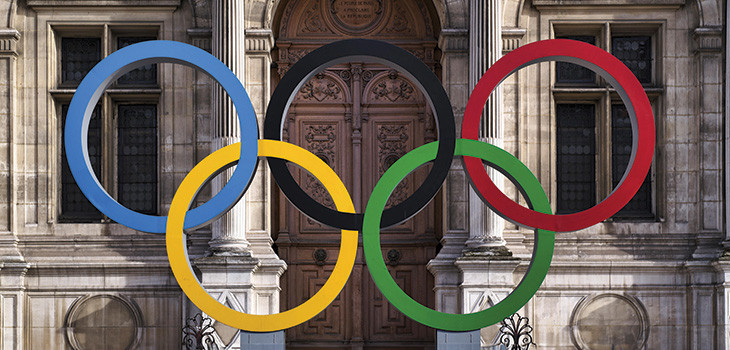
The rings

The famous interlocking rings emblem of the Olympic Games was created in 1913 by Pierre de Coubertin (1863-1937), the co-founder of the International Olympic Committee (the IOC). It is a masterpiece of restrained simplicity, much like the Japanese national flag or the Mastercard logo. The five rings were intended to represent the five inhabited continents of the world, and the colours of those rings were intended to reproduce the colours contained

If you are not a subscriber, subscribe now to read this content
If you are already a subscriber sign in
...or Register for two weeks' free access to subscriber content

MOVERS & SHAKERS

NLJ Career Profile: Kate Gaskell, Flex Legal

NLJ Career Profile: Kate Gaskell, Flex Legal

Kate Gaskell, CEO of Flex Legal, reflects on chasing her childhood dreams underscores the importance of welcoming those from all backgrounds into the profession

Dorsey & Whitney—Jonathan Christy

Dorsey & Whitney—Jonathan Christy

Dispute resolution team welcomes associate in London

Winckworth Sherwood—Kevin McManamon

Winckworth Sherwood—Kevin McManamon

Special education needs and mental capacity expert joins as partner

NEWS
Overcrowded prisons, mental health hospitals and immigration centres are failing to meet international and domestic human rights standards, the National Preventive Mechanism (NPM) has warned
Two speedier and more streamlined qualification routes have been launched for probate and conveyancing professionals
Workplace stress was a contributing factor in almost one in eight cases before the employment tribunal last year, indicating its endemic grip on the UK workplace
Professor Dominic Regan of City Law School highlights a turbulent end to 2025 in the civil courts, from the looming appeal in Mazur to judicial frustration with ever-expanding bundles, in his final NLJ 'The insider' column of the year
Antonia Glover of Quinn Emanuel outlines sweeping transparency reforms following the work of the Transparency and Open Justice Board in this week's NLJ
back-to-top-scroll
