
header-logo header-logo

NLJ this week: Juries & the meaning of ‘sure’

29 July 2022
Issue: 7989 / Categories: Legal News , Criminal
printer mail-detail
89136
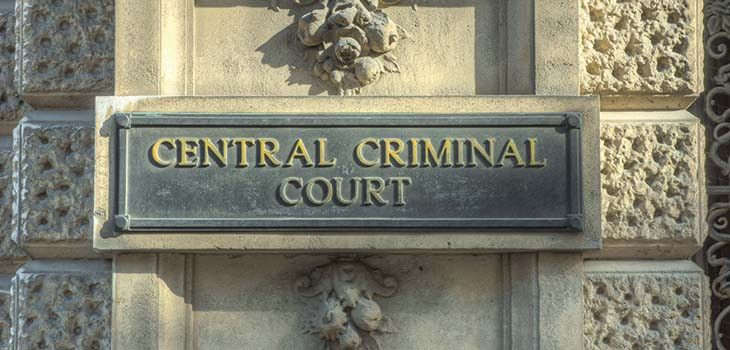
What does ‘sure’ mean, when directing a jury on the standard of proof? Writing in this week’s NLJ, Paul McKeown, City University associate professor of law, looks at this nebulous, challengeable word, which leads to what judges call ‘dreaded questions’ from the jury

For example, telling juries to be as ‘sure’ of the defendant’s guilt as they would be when making important decisions in their own lives prompted a trip to the Court of Appeal (R v Mohammad [2022] EWCA Crim 380) where two forensic linguists provided a report on the use of the word.

McKeown continues a debate started by regular NLJ author Michael Zander two years ago, in NLJ. Academic studies on the subject have uncovered alarming variability in the public’s perception of what the word means.

McKeown writes: ‘It is hard to disagree with expert voices from the field of forensic linguistics which say the law and practice relating to the criminal standard of proof is unsatisfactory and needs to be changed. Jury questions reveal a problem of comprehension and show that juries do need more help.’ But will anything change?

MOVERS & SHAKERS

Muckle LLP—Rachael Chapman

Muckle LLP—Rachael Chapman

Sports, education and charities practice welcomes senior associate

Ellisons—Carla Jones

Ellisons—Carla Jones

Partner and head of commercial litigation joins in Chelmsford

Freeths—Louise Mahon

Freeths—Louise Mahon

Firm strengthens Glasgow corporate practice with partner hire

NEWS
One in five in-house lawyers suffer ‘high’ or ‘severe’ work-related stress, according to a report by global legal body, the Association of Corporate Counsel (ACC)
The Legal Ombudsman’s (LeO’s) plea for a budget increase has been rejected by the Law Society and accepted only ‘with reluctance’ by conveyancers
Overcrowded prisons, mental health hospitals and immigration centres are failing to meet international and domestic human rights standards, the National Preventive Mechanism (NPM) has warned
Two speedier and more streamlined qualification routes have been launched for probate and conveyancing professionals
Workplace stress was a contributing factor in almost one in eight cases before the employment tribunal last year, indicating its endemic grip on the UK workplace
back-to-top-scroll
