
header-logo header-logo

NLJ this week: False images, real problems in the deceptive world of deepfakes

09 February 2024
Issue: 8058 / Categories: Legal News , Cyber , Cybercrime , Artificial intelligence , Criminal
printer mail-detail
157364

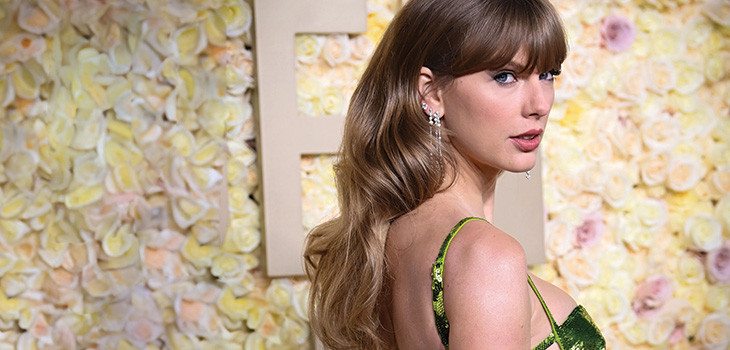
Deepfakes, whether of Taylor Swift or Donald Trump, have obviously harmful potential consequences for the unwitting subject—but what legal action can be taken against them?

This is the topic addressed by David Locke in this week’s NLJ.

Locke, partner at Hill Dickinson, looks at the difficulty of identifying the ‘creator’. In some circumstances, the artificial intelligence (AI) tool itself could be seen ‘as the entity that can most accurately be described as the creator, and to the extent AI “exists”, it does so beyond the reach of criminal sanction’.

There are also difficulties in enforcement, given the deepfake might be reposted hundreds of thousands of times. Locke highlights several issues, covering deepfake pornography, celebrity lookalikes and the degree of realism involved in images. It’s a fascinating subject.

MOVERS & SHAKERS

Freeths—Ruth Clare

Freeths—Ruth Clare

National real estate team bolstered by partner hire in Manchester

Farrer & Co—Claire Gordon

Farrer & Co—Claire Gordon

Partner appointed head of family team

mfg Solicitors—Neil Harrison

mfg Solicitors—Neil Harrison

Firm strengthens agriculture and rural affairs team with partner return

NEWS
Conveyancing lawyers have enjoyed a rapid win after campaigning against UK Finance’s decision to charge for access to the Mortgage Lenders’ Handbook
The Crown Prosecution Service (CPS) has launched a recruitment drive for talented early career and more senior barristers and solicitors
Regulators differed in the clarity and consistency of their post-Mazur advice and guidance, according to an interim report by the Legal Services Board (LSB)
The Solicitors Act 1974 may still underpin legal regulation, but its age is increasingly showing. Writing in NLJ this week, Victoria Morrison-Hughes of the Association of Costs Lawyers argues that the Act is ‘out of step with modern consumer law’ and actively deters fairness
A Competition Appeal Tribunal (CAT) ruling has reopened debate on the availability of ‘user damages’ in competition claims. Writing in NLJ this week, Edward Nyman of Hausfeld explains how the CAT allowed Dr Liza Lovdahl Gormsen’s alternative damages case against Meta to proceed, rejecting arguments that such damages are barred in competition law
back-to-top-scroll
