
header-logo header-logo

Natural law: acting under orders

12 April 2024 / Mark Pawlowski
Issue: 8066 / Categories: Features , Military
printer mail-detail
167808
Even in times of uncivilised warfare, natural law matters—as shown so vividly in Breaker Morant and other classic movies, writes Mark Pawlowski

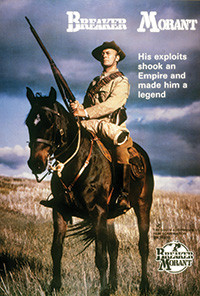
In the film Breaker Morant (1980), based on an actual historical event, three Australian soldiers are accused of murdering enemy prisoners during the Boer War. The film charts the circumstances of the incident and subsequent court-martial leading to the eventual verdict and subsequent fate of the three men.

Lord Kitchener, the commander-in-chief of British and colonial forces at the time, created the Bushveldt Carbineers as a special unit within the British Army in South Africa. The Carbineers were to use the commando tactics deployed by the Boer guerrillas. When Lieutenants Harry Morant, Peter Handcock and George Witton executed Boer prisoners and a German missionary, Lord Kitchener ordered their arrest and convened a court-martial in February 1902.

They were tried on three capital counts. Counts 1 and 2 charged all three with the murder of Boers taken as prisoners of war. One, named Visser, was captured in a raid wearing

If you are not a subscriber, subscribe now to read this content
If you are already a subscriber sign in
...or Register for two weeks' free access to subscriber content

MOVERS & SHAKERS

Quinn Emanuel—James McSweeney

Quinn Emanuel—James McSweeney

London promotion underscores firm’s investment in white collar and investigations

Ward Hadaway—Louise Miller

Ward Hadaway—Louise Miller

Private client team strengthened by partner appointment

NLJ Career Profile: Kate Gaskell, Flex Legal

NLJ Career Profile: Kate Gaskell, Flex Legal

Kate Gaskell, CEO of Flex Legal, reflects on chasing her childhood dreams underscores the importance of welcoming those from all backgrounds into the profession

NEWS
Overcrowded prisons, mental health hospitals and immigration centres are failing to meet international and domestic human rights standards, the National Preventive Mechanism (NPM) has warned
Two speedier and more streamlined qualification routes have been launched for probate and conveyancing professionals
Workplace stress was a contributing factor in almost one in eight cases before the employment tribunal last year, indicating its endemic grip on the UK workplace
Professor Dominic Regan of City Law School highlights a turbulent end to 2025 in the civil courts, from the looming appeal in Mazur to judicial frustration with ever-expanding bundles, in his final NLJ 'The insider' column of the year
Antonia Glover of Quinn Emanuel outlines sweeping transparency reforms following the work of the Transparency and Open Justice Board in this week's NLJ
back-to-top-scroll
