
header-logo header-logo

How to lose a title

11 April 2014 / Michael Zander KC
Issue: 7602 / Categories: Opinion
printer mail-detail
web_zanders

Michael Zander QC reflects on his insider’s view of Tony Benn’s peerage case


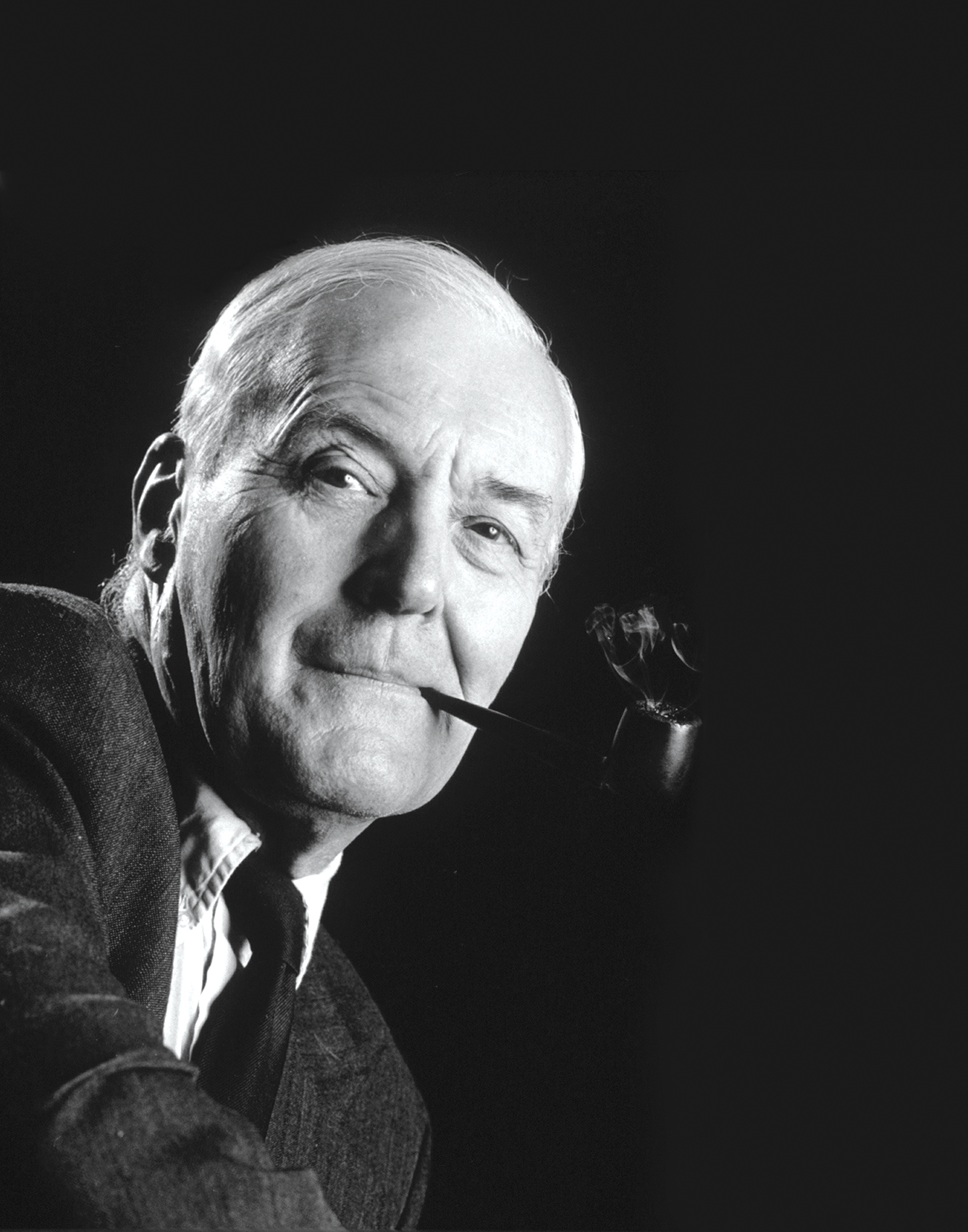
Fifty-three years ago I was legal adviser to Anthony Wedgwood Benn (as he was then known), in his battle to remain in the House of Commons. At the time I was an articled clerk with Ashurst Morris Crisp & Co. I had met the Benns and was invited to dinner at their house in November 1960, shortly after his father, Lord Stansgate died. He told us how he planned to go about it. I got interested. One thing led to another.


The beginning

It started five days after Lord Stansgate died. On 22 November 1960, Benn, Member of Parliament for Bristol South-East since 1950, signed an instrument of Renunciation of his Peerage and returned the Letters Patent to Buckingham Palace. On 29 November he petitioned the House of Commons, putting forward reasons why disqualification on account of the peerage should not attach and praying that a Select Committee be appointed to consider the issue.

The question was referred

If you are not a subscriber, subscribe now to read this content
If you are already a subscriber sign in
...or Register for two weeks' free access to subscriber content

MOVERS & SHAKERS

Freeths—Ruth Clare

Freeths—Ruth Clare

National real estate team bolstered by partner hire in Manchester

Farrer & Co—Claire Gordon

Farrer & Co—Claire Gordon

Partner appointed head of family team

mfg Solicitors—Neil Harrison

mfg Solicitors—Neil Harrison

Firm strengthens agriculture and rural affairs team with partner return

NEWS
Conveyancing lawyers have enjoyed a rapid win after campaigning against UK Finance’s decision to charge for access to the Mortgage Lenders’ Handbook
The Crown Prosecution Service (CPS) has launched a recruitment drive for talented early career and more senior barristers and solicitors
Regulators differed in the clarity and consistency of their post-Mazur advice and guidance, according to an interim report by the Legal Services Board (LSB)
The Solicitors Act 1974 may still underpin legal regulation, but its age is increasingly showing. Writing in NLJ this week, Victoria Morrison-Hughes of the Association of Costs Lawyers argues that the Act is ‘out of step with modern consumer law’ and actively deters fairness
A Competition Appeal Tribunal (CAT) ruling has reopened debate on the availability of ‘user damages’ in competition claims. Writing in NLJ this week, Edward Nyman of Hausfeld explains how the CAT allowed Dr Liza Lovdahl Gormsen’s alternative damages case against Meta to proceed, rejecting arguments that such damages are barred in competition law
back-to-top-scroll
