
header-logo header-logo

First, do no harm

28 June 2018 / John Gould
Issue: 7799 / Categories: Features , Regulatory , Profession
printer mail-detail
nlj_7799_gould

Will changes to the regulation of solicitors fracture the consistent assurance of client protection? John Gould reports

  • Changes to regulation could erode public confidence that if a solicitor defaults there is some system of redress.

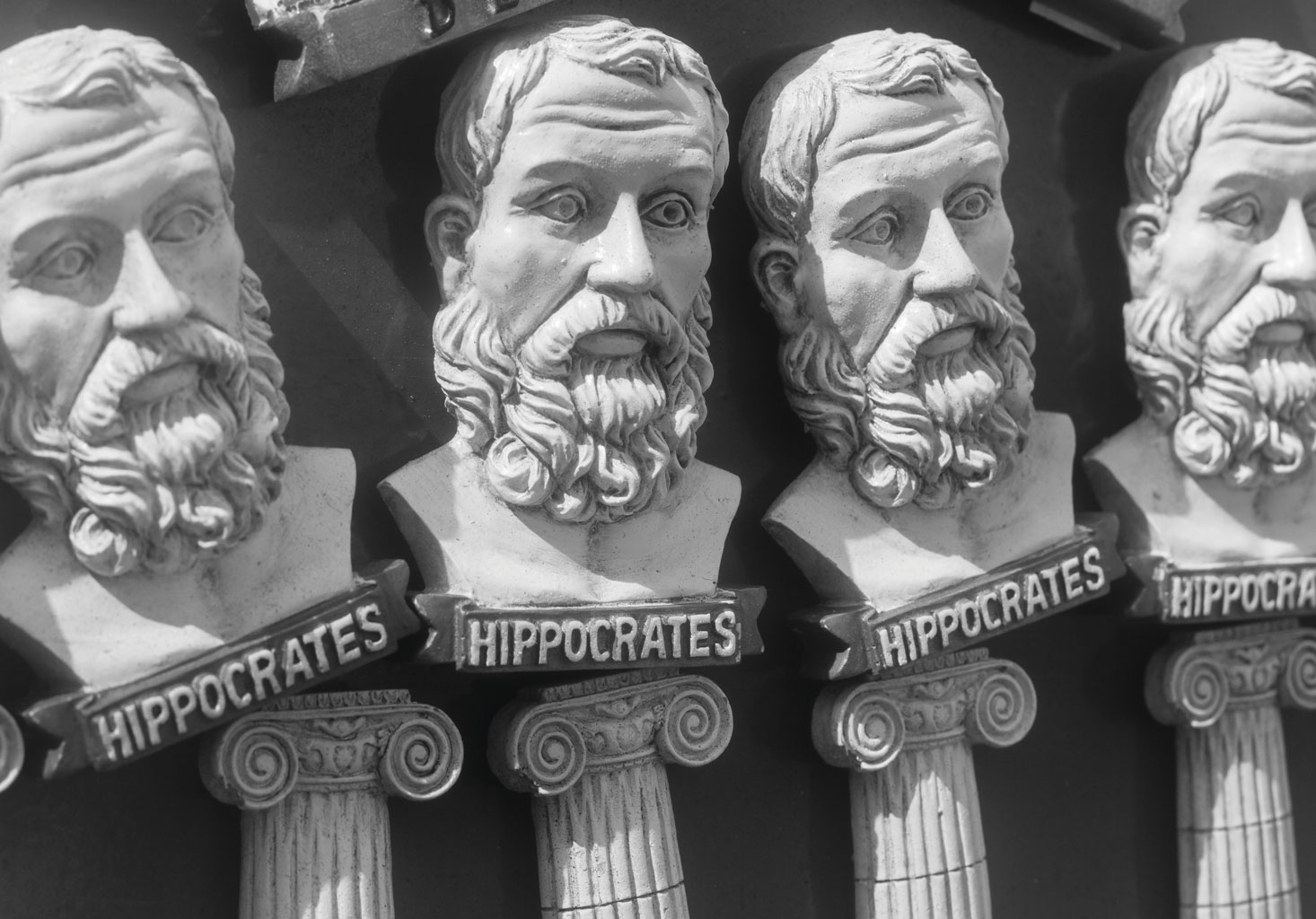
If there were a ‘Hippocratic Oath’ for regulators, the first promise to the gods of legal services ought to be to abstain from doing harm. Sometimes, however, something may be broken and need fixing or a compelling vision of the future cries out for reform. After all, times change.

Innovation often requires risk, which is why major legal changes are usually preceded by ‘impact assessments’; a cynic might say that such assessments have more in common with Mystic Meg than the application of the laws of gravity. It may turn out that changes do not have the predicted impact because they have no substantial impact of any kind—good or bad.

On 14 June 2018 the Solicitors Regulation Authority (SRA) announced changes to the regulation of solicitors following four years of development. The headline objectives of the changes present

If you are not a subscriber, subscribe now to read this content
If you are already a subscriber sign in
...or Register for two weeks' free access to subscriber content

MOVERS & SHAKERS

Muckle LLP—Rachael Chapman

Muckle LLP—Rachael Chapman

Sports, education and charities practice welcomes senior associate

Ellisons—Carla Jones

Ellisons—Carla Jones

Partner and head of commercial litigation joins in Chelmsford

Freeths—Louise Mahon

Freeths—Louise Mahon

Firm strengthens Glasgow corporate practice with partner hire

NEWS
One in five in-house lawyers suffer ‘high’ or ‘severe’ work-related stress, according to a report by global legal body, the Association of Corporate Counsel (ACC)
The Legal Ombudsman’s (LeO’s) plea for a budget increase has been rejected by the Law Society and accepted only ‘with reluctance’ by conveyancers
Overcrowded prisons, mental health hospitals and immigration centres are failing to meet international and domestic human rights standards, the National Preventive Mechanism (NPM) has warned
Two speedier and more streamlined qualification routes have been launched for probate and conveyancing professionals
Workplace stress was a contributing factor in almost one in eight cases before the employment tribunal last year, indicating its endemic grip on the UK workplace
back-to-top-scroll
