
header-logo header-logo

Climate change litigation: Divided but ruled

26 July 2024 / Douglas Maxwell
Issue: 8081 / Categories: Features , Environment , ESG , Climate change litigation
printer mail-detail
183112
‘Downstream’ CO₂ emissions & causation: Dr Douglas Maxwell analyses the judgments of a divided Supreme Court
  • An in-depth explainer of the Supreme Court decision in Finch, including the background to the case, as well as the majority and dissenting judgments.
  • Includes an analysis of the decision, explaining the most likely impacts the decision will have on other projects and future climate change litigation.

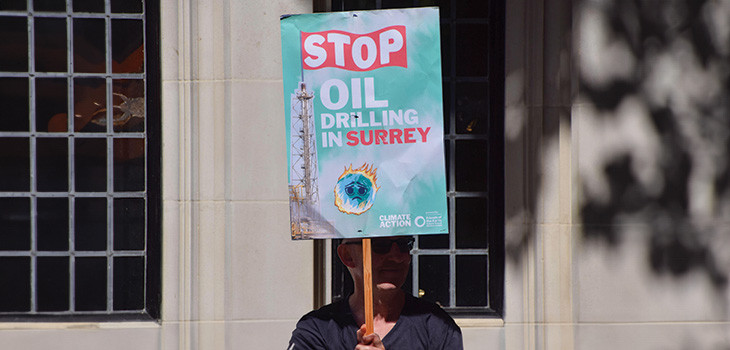
On 20 June 2024, the Supreme Court handed down (a 3-2 majority) judgment in R (on the application of Finch on behalf of the Weald Action Group) v Surrey County Council and others [2024] UKSC 20, [2024] All ER (D) 71 (Jun). Lord Leggatt, who wrote the judgment for the majority, described it as ‘plain’ that the requirement to consider the ‘direct or indirect... effects of the project’ to extract oil meant that the environmental impact assessment (EIA) should include not just the greenhouse gas emissions directly arising from the project but also an assessment of emissions that will occur ‘downstream’ (sometimes referred

If you are not a subscriber, subscribe now to read this content
If you are already a subscriber sign in
...or Register for two weeks' free access to subscriber content

MOVERS & SHAKERS

NLJ Career Profile: Kate Gaskell, Flex Legal

NLJ Career Profile: Kate Gaskell, Flex Legal

Kate Gaskell, CEO of Flex Legal, reflects on chasing her childhood dreams underscores the importance of welcoming those from all backgrounds into the profession

Dorsey & Whitney—Jonathan Christy

Dorsey & Whitney—Jonathan Christy

Dispute resolution team welcomes associate in London

Winckworth Sherwood—Kevin McManamon

Winckworth Sherwood—Kevin McManamon

Special education needs and mental capacity expert joins as partner

NEWS
Overcrowded prisons, mental health hospitals and immigration centres are failing to meet international and domestic human rights standards, the National Preventive Mechanism (NPM) has warned
Two speedier and more streamlined qualification routes have been launched for probate and conveyancing professionals
Workplace stress was a contributing factor in almost one in eight cases before the employment tribunal last year, indicating its endemic grip on the UK workplace
In NLJ this week, Ian Smith, emeritus professor at UEA, explores major developments in employment law from the Supreme Court and appellate courts
Writing in NLJ this week, Kamran Rehman and Harriet Campbell of Penningtons Manches Cooper examine Operafund Eco-Invest SICAV plc v Spain, where the Commercial Court held that ICSID and Energy Charter Treaty awards cannot be assigned
back-to-top-scroll
