


The ‘door is now open’ to a wider range of options than Prime Minister Theresa May’s deal, no deal or no Brexit, according to Hugh Mercer QC, chair of the Bar Council’s Brexit Working Group.
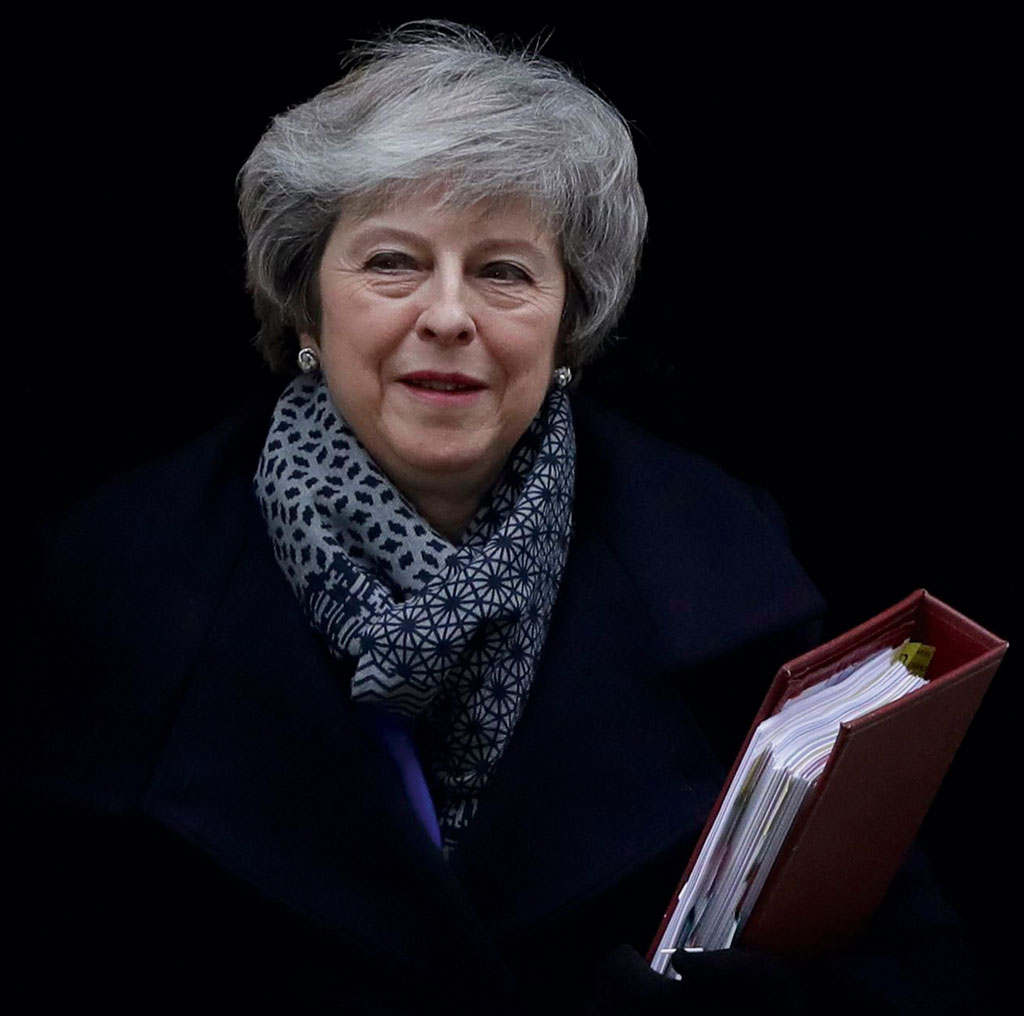
Following the historic 432-202 defeat of May’s Brexit deal and the Opposition’s motion of no confidence, the prime minister (pictured) is due to return to Parliament within three days with new proposals.
David Greene, NLJ consultant editor and senior partner at Edwin Coe LLP, said: ‘The vote on the Prime Minister’s proposals and their rejection throw us into an even more uncertain period. The size of the vote against the proposals indicates that it is going to be very difficult to secure consensus. In order to revoke the Notice, the PM will need primary legislation. To delay the process she probably does not need the agreement of Parliament in law. That permission already exists or is subject to Crown prerogative. She will need the unanimous agreement of the EU Council.
‘The problem is that Parliament’s ability to drive the process is limited unless [Speaker John] Bercow pulls a rabbit out of a hat. Also extending the period under the Article 50 Notice comes up against the European Parliament elections. If we remain in we must participate in those which will be odd indeed when we are seeking to leave. In short, it’s a mess.’
Hogan Lovells partner Charles Brasted said: ‘Due to Parliamentary arithmetic, the opposition’s vote of no confidence is unlikely to succeed. If it does, however, then a general election will follow unless a new government can be formed and endorsed by the House within 14 days. With a legal minimum campaign period of five weeks, a newly-elected government would not be in place before the beginning of March at the earliest. In the meantime, the clock keeps ticking to 29 March.
‘Like businesses and citizens in the UK and across Europe, preparations for no deal will have to continue apace, on the part of the UK, the EU and all of the EU27 member states.’
Brasted pointed out that, while MPs had united in rejecting the deal, their vote said nothing about what sort of deal they would approve.



