
header-logo header-logo

Autonomy, dignity & the right to die

14 November 2025 / John Cooper KC
Issue: 8139 / Categories: Features , Human rights , Health
printer mail-detail
235667
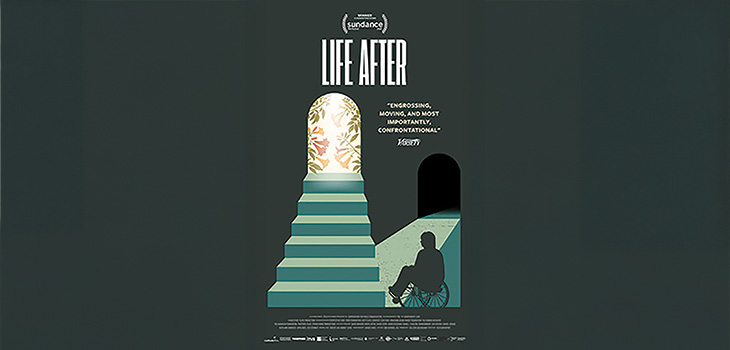
As the UK debates assisted dying, John Cooper KC reviews Life After—a nuanced & surprising documentary about ‘reluctant survivor’ Elizabeth Bouvia

In 1983, Elizabeth Bouvia sought the right to die and began a nationwide debate in America about autonomy and the dignity of disabled people.

She was a young, quadriplegic woman who was stricken with cerebral palsy which left her bedridden and dependent on other people to perform all the activities associated with daily living.

Here was an intelligent woman, locked in a body which left her physically unable to care for herself. In 1983, at the age of 26, Elizabeth expressed a clear wish to end her life.

In the documentary Life After, showcased at this year’s BFI London Film Festival, director Reid Davenport tells Elizabeth’s story. Although Elizabeth’s story is a personal one, the narrative is timely as the assisted dying debate continues in this country.

Chronic illness

It has been posited in this publication that there is an irrationality in the Terminally

If you are not a subscriber, subscribe now to read this content
If you are already a subscriber sign in
...or Register for two weeks' free access to subscriber content

MOVERS & SHAKERS

NLJ Career Profile: Kate Gaskell, Flex Legal

NLJ Career Profile: Kate Gaskell, Flex Legal

Kate Gaskell, CEO of Flex Legal, reflects on chasing her childhood dreams underscores the importance of welcoming those from all backgrounds into the profession

Dorsey & Whitney—Jonathan Christy

Dorsey & Whitney—Jonathan Christy

Dispute resolution team welcomes associate in London

Winckworth Sherwood—Kevin McManamon

Winckworth Sherwood—Kevin McManamon

Special education needs and mental capacity expert joins as partner

NEWS
Overcrowded prisons, mental health hospitals and immigration centres are failing to meet international and domestic human rights standards, the National Preventive Mechanism (NPM) has warned
Two speedier and more streamlined qualification routes have been launched for probate and conveyancing professionals
Workplace stress was a contributing factor in almost one in eight cases before the employment tribunal last year, indicating its endemic grip on the UK workplace
In Ward v Rai, the High Court reaffirmed that imprecise points of dispute can and will be struck out. Writing in NLJ this week, Amy Dunkley of Bolt Burdon Kemp reports on the decision and its implications for practitioners
Could the Supreme Court’s ruling in R v Hayes; R v Palombo unintentionally unsettle future complex fraud trials? Maia Cohen-Lask of Corker Binning explores the question in NLJ this week
back-to-top-scroll
