
header-logo header-logo

Access all areas?

nlj_7642_osullivan

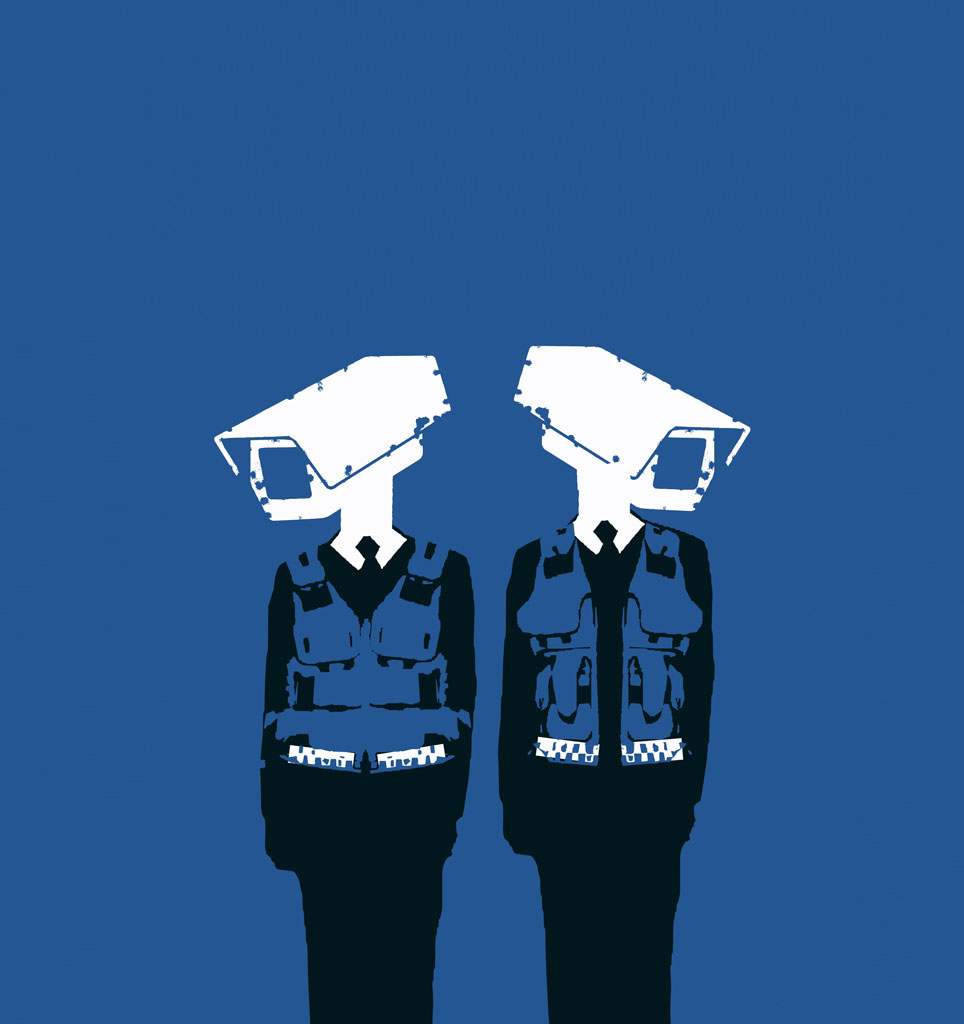
Overriding lawyer-client & confidential communications is incompatible with the rule of law, as Nicholas Griffin QC, Robert O’Sullivan QC & Gordon Nardell QC explain

On 11 January the prime minister attended the unity march in Paris following the murders of 17 journalists, shoppers and police officers in that city by terrorists. He was there in a demonstration of solidarity with the French, condemning the attacks as unacceptable in a free, open and tolerant country. And yet at the same time he was advocating ever greater powers for the police and the security agencies to intrude on our private communications. Deputy Prime Minister Nick Clegg noted the irony, commenting on politicians: “who say in one breath that they will defend freedom of expression and then in the next advocate a huge encroachment on the freedom of all British citizens”.

This is the difficult atmosphere in which decisions must be made about the proper extent of powers for the state to access our communications. In this article we focus primarily

If you are not a subscriber, subscribe now to read this content
If you are already a subscriber sign in
...or Register for two weeks' free access to subscriber content

MOVERS & SHAKERS

Freeths—Ruth Clare

Freeths—Ruth Clare

National real estate team bolstered by partner hire in Manchester

Farrer & Co—Claire Gordon

Farrer & Co—Claire Gordon

Partner appointed head of family team

mfg Solicitors—Neil Harrison

mfg Solicitors—Neil Harrison

Firm strengthens agriculture and rural affairs team with partner return

NEWS
Conveyancing lawyers have enjoyed a rapid win after campaigning against UK Finance’s decision to charge for access to the Mortgage Lenders’ Handbook
The Crown Prosecution Service (CPS) has launched a recruitment drive for talented early career and more senior barristers and solicitors
Regulators differed in the clarity and consistency of their post-Mazur advice and guidance, according to an interim report by the Legal Services Board (LSB)
The dangers of uncritical artificial intelligence (AI) use in legal practice are no longer hypothetical. In this week's NLJ, Dr Charanjit Singh of Holborn Chambers examines cases where lawyers relied on ‘hallucinated’ citations — entirely fictitious authorities generated by AI tools
The Solicitors Act 1974 may still underpin legal regulation, but its age is increasingly showing. Writing in NLJ this week, Victoria Morrison-Hughes of the Association of Costs Lawyers argues that the Act is ‘out of step with modern consumer law’ and actively deters fairness
back-to-top-scroll
