
header-logo header-logo

Who says it’s perverse?

27 October 2017 / David Hewitt
Issue: 7767 / Categories: Features , Profession
printer mail-detail
nlj_7767_hewitt

David Hewitt reflects on the history & impact of perverse verdicts

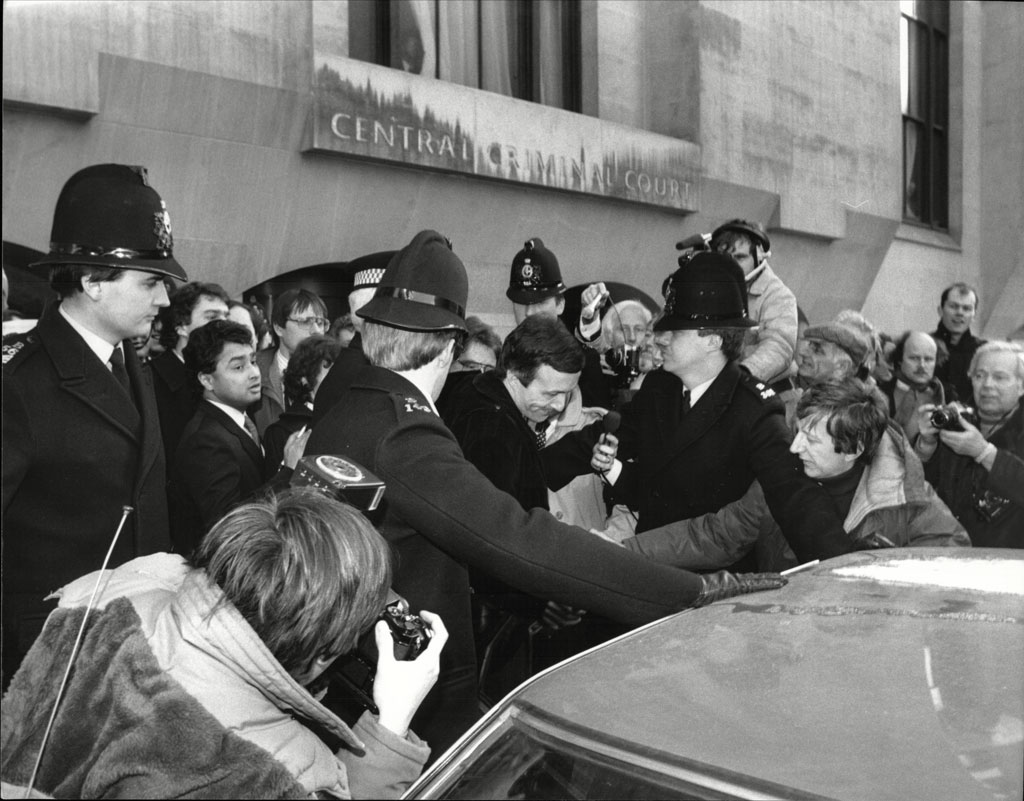
It began when I was called for jury service, and I found myself thinking about Clive Ponting. I remember him emerging into a media scrum outside the Old Bailey, his breath hanging on the chilly air. He is wearing a raincoat, even though it is only February, and he looks tired.

The year was 1985, and Ponting had just been acquitted of breaching the Official Secrets Act after a two-week trial. He was said to have leaked classified documents about the sinking of an Argentinian warship, the General Belgrano , during the Falklands conflict. Crucially, he had admitted doing so.

It seemed to me that the implications of Ponting’s case had never been properly understood, and so I started to ask some questions.

The documents had been sent to Tam Dalyell, a Member of Parliament, and they revealed that the Belgrano had been heading away from the Royal Navy ‘taskforce’ when it was hit. That wasn’t, however, the official version, and it contradicted

If you are not a subscriber, subscribe now to read this content
If you are already a subscriber sign in
...or Register for two weeks' free access to subscriber content

MOVERS & SHAKERS

Freeths—Ruth Clare

Freeths—Ruth Clare

National real estate team bolstered by partner hire in Manchester

Farrer & Co—Claire Gordon

Farrer & Co—Claire Gordon

Partner appointed head of family team

mfg Solicitors—Neil Harrison

mfg Solicitors—Neil Harrison

Firm strengthens agriculture and rural affairs team with partner return

NEWS
Conveyancing lawyers have enjoyed a rapid win after campaigning against UK Finance’s decision to charge for access to the Mortgage Lenders’ Handbook
The Crown Prosecution Service (CPS) has launched a recruitment drive for talented early career and more senior barristers and solicitors
Regulators differed in the clarity and consistency of their post-Mazur advice and guidance, according to an interim report by the Legal Services Board (LSB)
The dangers of uncritical artificial intelligence (AI) use in legal practice are no longer hypothetical. In this week's NLJ, Dr Charanjit Singh of Holborn Chambers examines cases where lawyers relied on ‘hallucinated’ citations — entirely fictitious authorities generated by AI tools
The Solicitors Act 1974 may still underpin legal regulation, but its age is increasingly showing. Writing in NLJ this week, Victoria Morrison-Hughes of the Association of Costs Lawyers argues that the Act is ‘out of step with modern consumer law’ and actively deters fairness
back-to-top-scroll
