
header-logo header-logo

Who killed Alexander Litvinenko?

05 March 2014 / Louis Flannery KC
Issue: 7597 / Categories: Opinion
printer mail-detail
web_flannery

Louis Flannery examines the implications of the latest ruling in relation to the Litvinenko affair

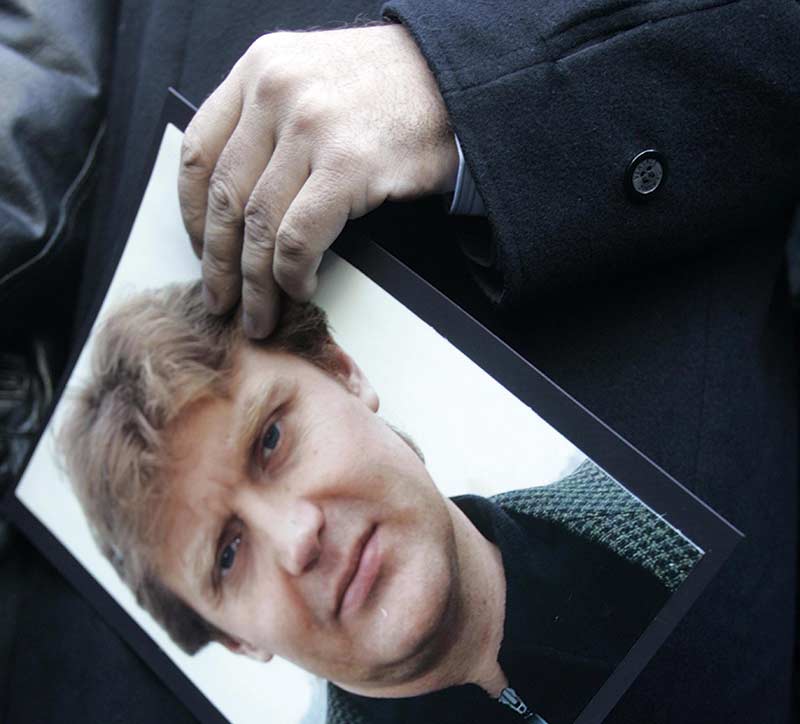
Few reading this will fail to recall the well-publicised circumstances of Mr Litvinenko’s death from radiation poisoning in London in late 2006. The conspiracy theories still abound, but the prime suspects, in respect of whom arrest warrants and extradition requests were made, are Russian agents who remain at large in Moscow.


Mr Litvinenko himself had spent more than 18 years in the KGB, before turning whistleblower and having to flee Russia in 2000. He had fallen out with his paymasters in 1998, after declaring publicly that he had been ordered by the Kremlin to assassinate the late Russian oligarch Boris Berezovsky, who fled from Russia in 1999. (The media magnate was found dead in the bathroom of his Berkshire mansion last year, apparently from suicide, following his loss in the mammoth Commercial Court trial against Abramovich (see “Rich Pickings” Pt I & Pt II)

The inquest

A week after Mr Litvinenko passed away, an inquest began

If you are not a subscriber, subscribe now to read this content
If you are already a subscriber sign in
...or Register for two weeks' free access to subscriber content

MOVERS & SHAKERS

Quinn Emanuel—James McSweeney

Quinn Emanuel—James McSweeney

London promotion underscores firm’s investment in white collar and investigations

Ward Hadaway—Louise Miller

Ward Hadaway—Louise Miller

Private client team strengthened by partner appointment

NLJ Career Profile: Kate Gaskell, Flex Legal

NLJ Career Profile: Kate Gaskell, Flex Legal

Kate Gaskell, CEO of Flex Legal, reflects on chasing her childhood dreams underscores the importance of welcoming those from all backgrounds into the profession

NEWS
Overcrowded prisons, mental health hospitals and immigration centres are failing to meet international and domestic human rights standards, the National Preventive Mechanism (NPM) has warned
Two speedier and more streamlined qualification routes have been launched for probate and conveyancing professionals
Workplace stress was a contributing factor in almost one in eight cases before the employment tribunal last year, indicating its endemic grip on the UK workplace
In NLJ this week, Ian Smith, emeritus professor at UEA, explores major developments in employment law from the Supreme Court and appellate courts
Writing in NLJ this week, Kamran Rehman and Harriet Campbell of Penningtons Manches Cooper examine Operafund Eco-Invest SICAV plc v Spain, where the Commercial Court held that ICSID and Energy Charter Treaty awards cannot be assigned
back-to-top-scroll
