
header-logo header-logo

The Unison effect

16 March 2018 / Steve Hynes
Issue: 7785 / Categories: Opinion , Tribunals , Legal aid focus , Profession , Employment
printer mail-detail
nlj_7785_hynes

Steve Hynes discusses the root causes of a big rise in employment tribunal cases

Rises of up to 90% have been reported by the Ministry of Justice (MoJ) in their latest statistics on employment tribunal (ET) cases released on 8 March. The trend of an increase in claims has become established over the last six months since the successful challenge, brought by the trade union Unison, to the introduction of the ET fee scheme.

From 29 July 2013 two levels of fees were introduced for ETs. For type A claims involving cases such as non-payment of wages, a fee of £160 was payable to issue proceedings. A charge of £250 was made for type B cases which included discrimination and unfair dismissal claims. With the hearing fee the total cost for a type A would be £390 and £1200 for a type B case. The impact of the fees was immediate as the number of cases being brought plummeted by around 70%.

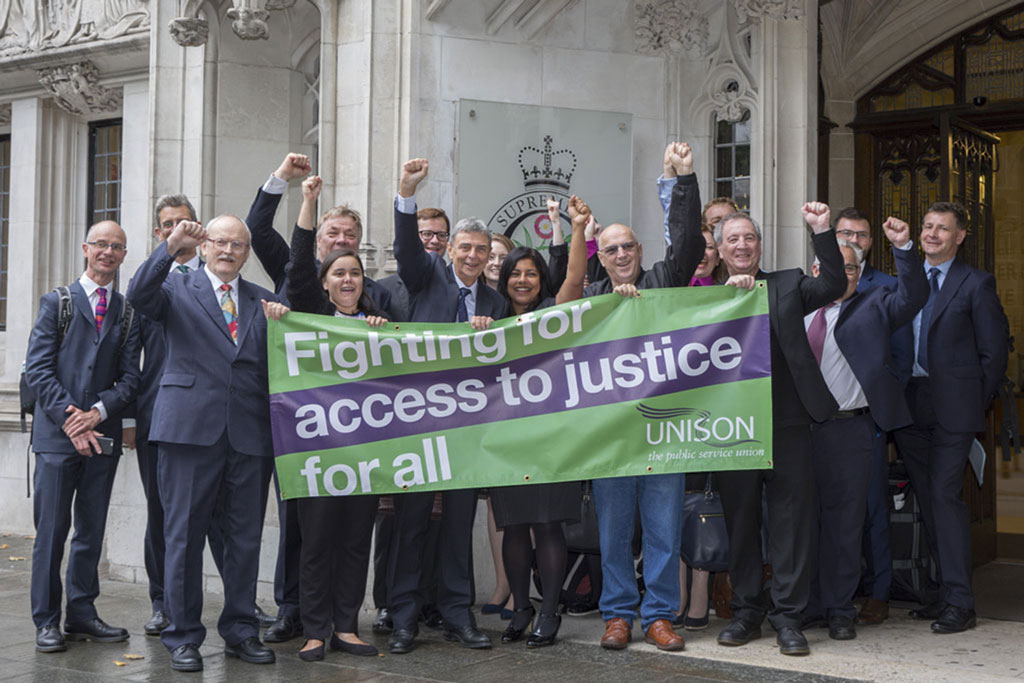
After the success of Unison’s case before the Supreme Court

If you are not a subscriber, subscribe now to read this content
If you are already a subscriber sign in
...or Register for two weeks' free access to subscriber content

MOVERS & SHAKERS

Quinn Emanuel—James McSweeney

Quinn Emanuel—James McSweeney

London promotion underscores firm’s investment in white collar and investigations

Ward Hadaway—Louise Miller

Ward Hadaway—Louise Miller

Private client team strengthened by partner appointment

NLJ Career Profile: Kate Gaskell, Flex Legal

NLJ Career Profile: Kate Gaskell, Flex Legal

Kate Gaskell, CEO of Flex Legal, reflects on chasing her childhood dreams underscores the importance of welcoming those from all backgrounds into the profession

NEWS
Overcrowded prisons, mental health hospitals and immigration centres are failing to meet international and domestic human rights standards, the National Preventive Mechanism (NPM) has warned
Two speedier and more streamlined qualification routes have been launched for probate and conveyancing professionals
Workplace stress was a contributing factor in almost one in eight cases before the employment tribunal last year, indicating its endemic grip on the UK workplace
In Ward v Rai, the High Court reaffirmed that imprecise points of dispute can and will be struck out. Writing in NLJ this week, Amy Dunkley of Bolt Burdon Kemp reports on the decision and its implications for practitioners
Could the Supreme Court’s ruling in R v Hayes; R v Palombo unintentionally unsettle future complex fraud trials? Maia Cohen-Lask of Corker Binning explores the question in NLJ this week
back-to-top-scroll
