


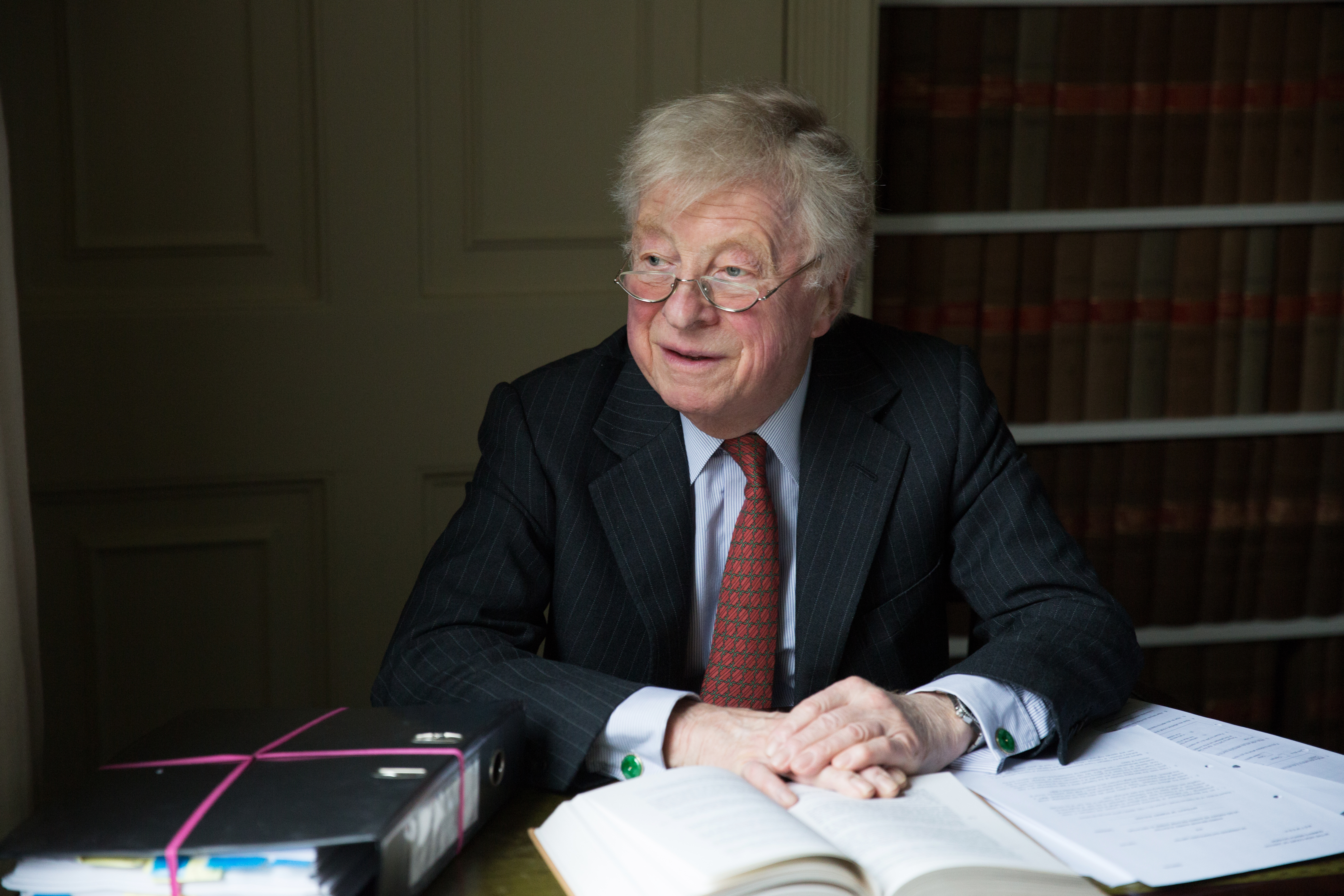
Thirteen Old Square and 3 Stone Buildings merge
Thirteen Old Square and 3 Stone Buildings have merged to create Three Stone Chambers. The head of chambers will be John McDonnell QC (pictured), who founded Thirteen Old Square Chambers 12 years ago. Justin Brown, senior clerk, at Thirteen Old Square will continue to lead the clerking team. The merger comes hot on the heels of a number of new additions to Thirteen Old Square, including Mark Cawson QC, David Went, Neil Cadwallader, Jonathan O’Mahoney and Richard Bowles, and of David Mohyuddin QC taking silk in February.
The creation of Three Stone will increase the breadth and depth of the combined sets' offerings: deepening the layers of expertise in core areas of chancery, commercial, insolvency and property: the highly regarded offshore trust practices of 3 Stone Buildings members such as David Lord QC will fit well with the Caribbean and Hong Kong property, company and trust practices of 13 Old Square silks John McDonnell and David Lowe. In addition, Rupert Coe joins the new set from Applebys in Cayman.
The new set will continue to occupy the existing premises in Lincoln’s Inn at 13-14 Old Square and 3 Stone Buildings but will be managed from 3 Stone Buildings. It will comprise 7 QCs, 40 junior barristers, 6 clerks and support staff, servicing a deliberately comprehensive client base magic circle, high street and overseas clients.
Senior clerk Justin Brown says: “We chose the name Three Stone because, although we will still be using both sets of premises, the clerks’ room will be at 3 Stone Buildings, and that is what provides the continuity and gives chambers its own unique brand”
Andrew Cosedge former head of 3 Stone Buildings says: “This merger gives all of the loyal, committed people at 3 Stone Buildings a very bright future, which is something I personally am very pleased about. We are all excited about the opportunities to work together, continuing to work with a collegiate ethos. We couldn’t have hoped for a better opportunity and it is my firm belief that the best opportunities are yet to come, for all of us at Three Stone."
Head of chambers John McDonnell QC, says: “I formed Thirteen Old Square Chambers in 2004 in order to keep together a team of clerks with over 30 years’ experience in my original chambers. The members who have joined me there over the last 12 years all came because they shared my view that the intellectual and professional integrity of the Chancery Bar and the unique service we provide depends on comradeship and traditional clerking in chambers made up of individuals who choose to share their accommodation and facilities rather than corporate chambers with practice and marketing managers. The colleagues at 3 Stone Buildings with whom we are now joining forces share our views about the service which should be offered by the Chancery Bar and how Chancery Chambers should work: I feel confident and proud of our new combined set under the banner of Three Stone and our ability to meet the exacting standards of the modern Bar and the high expectations of our clients.”
Nominations for the Halsbury Legal Awards 2016, in association with NLJ, are now open. Visit the site to view all the categories and enter online. #Halsbury2016



