
header-logo header-logo

The truth, the whole truth & nothing but the truth

04 June 2020 / Mike Schwarz
Issue: 7889 / Categories: Opinion , Criminal , Human rights
printer mail-detail
21877
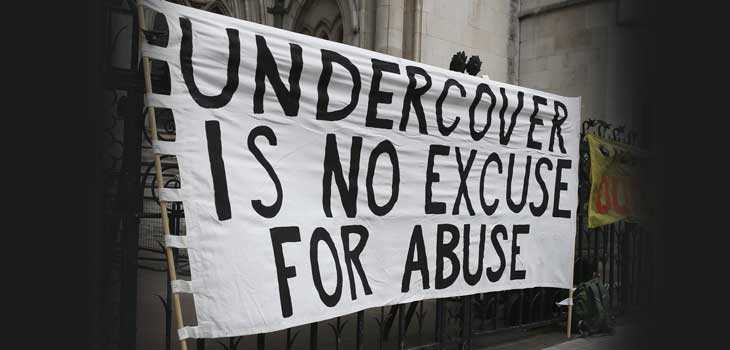
Five years on from its establishment, Mike Schwarz reflects on the Undercover Policing Inquiry

In 2014 the then home secretary, Teresa May, announced the establishment of a public inquiry into undercover policing over the past 50 years. It followed the exposure of ‘appalling practices in undercover policing’ highlighted in one of the many official ‘reviews’ of undercover policing which preceded the announcement.

One year later, at the first hearing of the Inquiry, the then Chair of the Inquiry, Sir Christopher Pitchford made his opening remarks. By the standards of a former senior judge, they brimmed with optimism, enthusiasm, energy. The overarching aim of the Inquiry, as the strapline on its current website proclaims, is ‘getting to the truth of undercover policing and providing recommendations for the future’.

That was in July 2015. Now seems a good time to reflect and take stock.


Five years, five points to make


First, timing. The whole Inquiry was due to be wrapped up in three

If you are not a subscriber, subscribe now to read this content
If you are already a subscriber sign in
...or Register for two weeks' free access to subscriber content

MOVERS & SHAKERS

Muckle LLP—Rachael Chapman

Muckle LLP—Rachael Chapman

Sports, education and charities practice welcomes senior associate

Ellisons—Carla Jones

Ellisons—Carla Jones

Partner and head of commercial litigation joins in Chelmsford

Freeths—Louise Mahon

Freeths—Louise Mahon

Firm strengthens Glasgow corporate practice with partner hire

NEWS
One in five in-house lawyers suffer ‘high’ or ‘severe’ work-related stress, according to a report by global legal body, the Association of Corporate Counsel (ACC)
The Legal Ombudsman’s (LeO’s) plea for a budget increase has been rejected by the Law Society and accepted only ‘with reluctance’ by conveyancers
Overcrowded prisons, mental health hospitals and immigration centres are failing to meet international and domestic human rights standards, the National Preventive Mechanism (NPM) has warned
Two speedier and more streamlined qualification routes have been launched for probate and conveyancing professionals
Workplace stress was a contributing factor in almost one in eight cases before the employment tribunal last year, indicating its endemic grip on the UK workplace
back-to-top-scroll
