
header-logo header-logo

Supremely useful

03 June 2016 / Mark Solon
Issue: 7701 / Categories: Features , Expert Witness , Profession
printer mail-detail
nlj_7701_solon

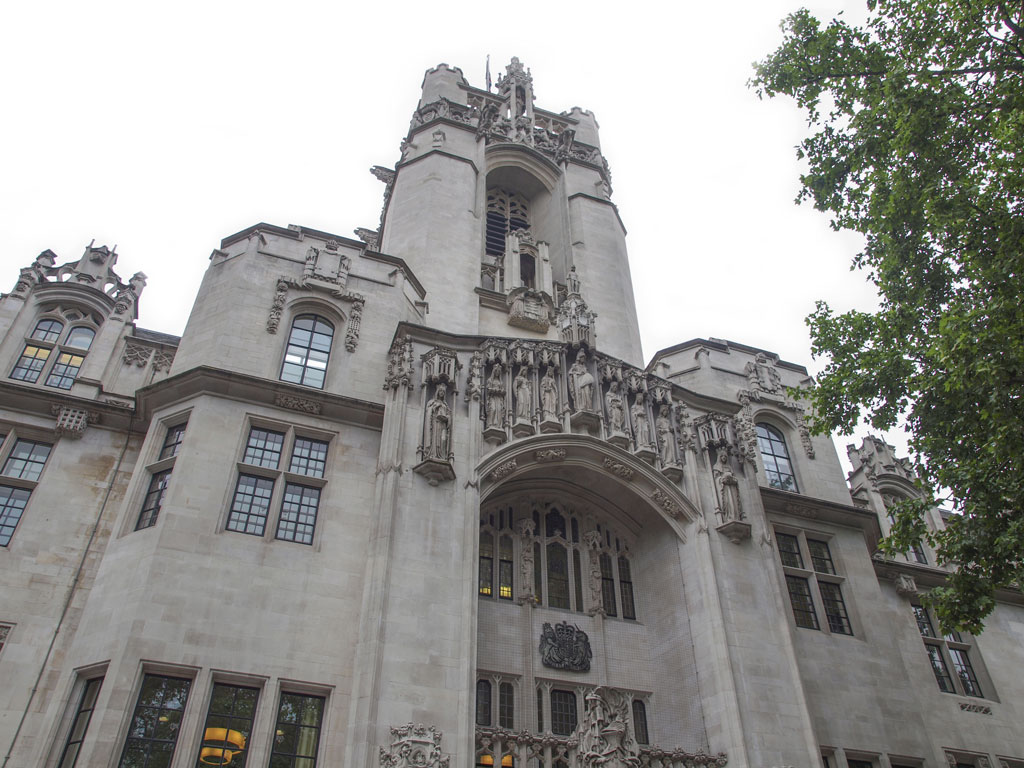
Mark Solon examines new expert witness guidance from the Supreme Court

Who would have thought that a bruised wrist from a fall on an icy footpath in 2010 would have led to the Supreme Court giving useful guidance on when expert evidence would be allowed in a civil court?

In Kennedy (Appellant) v Cordia (Services) LLP (Respondent) (Scotland) [2016] UKSC 6, [2016] All ER (D) 99 (Feb), the appellant was employed as a home carer by the respondents. Her work involved visiting clients in their homes and providing personal care. One wintry December evening, she was required to visit an elderly lady. She slipped and fell, injuring her wrist. The appellant’s appeal to the Supreme Court concerned the admissibility of evidence given by the expert witness, and whether the respondents had been in breach of their statutory duties or negligent. Full details including the judgment are on the Supreme Court website.

Because the case started in Scotland, the judges refer to skilled witnesses but that’s the Scottish for expert witnesses. The principles apply throughout

If you are not a subscriber, subscribe now to read this content
If you are already a subscriber sign in
...or Register for two weeks' free access to subscriber content

MOVERS & SHAKERS

Quinn Emanuel—James McSweeney

Quinn Emanuel—James McSweeney

London promotion underscores firm’s investment in white collar and investigations

Ward Hadaway—Louise Miller

Ward Hadaway—Louise Miller

Private client team strengthened by partner appointment

NLJ Career Profile: Kate Gaskell, Flex Legal

NLJ Career Profile: Kate Gaskell, Flex Legal

Kate Gaskell, CEO of Flex Legal, reflects on chasing her childhood dreams underscores the importance of welcoming those from all backgrounds into the profession

NEWS
Overcrowded prisons, mental health hospitals and immigration centres are failing to meet international and domestic human rights standards, the National Preventive Mechanism (NPM) has warned
Two speedier and more streamlined qualification routes have been launched for probate and conveyancing professionals
Workplace stress was a contributing factor in almost one in eight cases before the employment tribunal last year, indicating its endemic grip on the UK workplace
In NLJ this week, Ian Smith, emeritus professor at UEA, explores major developments in employment law from the Supreme Court and appellate courts
Writing in NLJ this week, Kamran Rehman and Harriet Campbell of Penningtons Manches Cooper examine Operafund Eco-Invest SICAV plc v Spain, where the Commercial Court held that ICSID and Energy Charter Treaty awards cannot be assigned
back-to-top-scroll
