
header-logo header-logo

Practical advice on capacity to litigate

16 August 2018 / Giles Eyre , Linda Monaci
Issue: 7806 / Categories: Features , Expert Witness , Mental health
printer mail-detail
nlj_7806_monaci

Giles Eyre & Linda Monaci present a case study on mental capacity to litigate, including key learning points for practitioners

  • Illustrates the challenges for solicitors and experts via a fictitious example of a borderline mental capacity case.

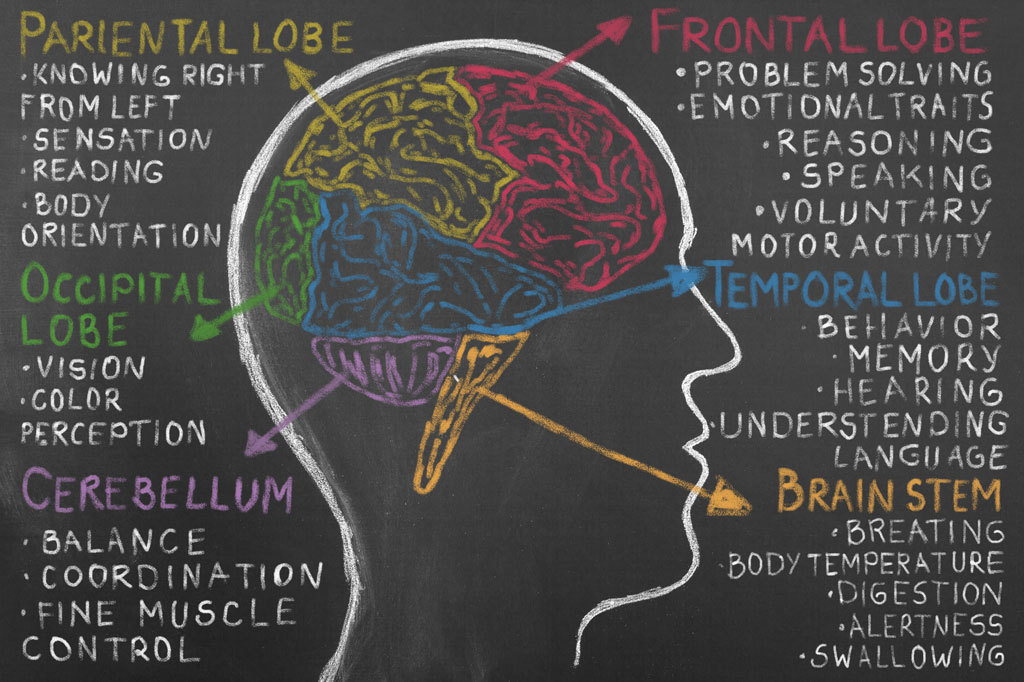
John, now 19 years old, is pursuing a personal injury claim against his employer. He had sustained a severe traumatic brain injury (TBI) and some orthopaedic injuries in an accident at work. Liability was established at trial but damages are yet to be assessed.

Background history

John lived in a flat organised by social services from the age of 13 years of age due to physical abuse by his mother and step-father. He left school at 15. He regularly smoked cannabis and for a period also heroin. He worked six months on a building site but left after an argument with his manager. Just before the index event he found further employment on a building site, where the accident occurred.

At discharge from hospital, he returned to his flat. He received little community

If you are not a subscriber, subscribe now to read this content
If you are already a subscriber sign in
...or Register for two weeks' free access to subscriber content

MOVERS & SHAKERS

Quinn Emanuel—James McSweeney

Quinn Emanuel—James McSweeney

London promotion underscores firm’s investment in white collar and investigations

Ward Hadaway—Louise Miller

Ward Hadaway—Louise Miller

Private client team strengthened by partner appointment

NLJ Career Profile: Kate Gaskell, Flex Legal

NLJ Career Profile: Kate Gaskell, Flex Legal

Kate Gaskell, CEO of Flex Legal, reflects on chasing her childhood dreams underscores the importance of welcoming those from all backgrounds into the profession

NEWS
Overcrowded prisons, mental health hospitals and immigration centres are failing to meet international and domestic human rights standards, the National Preventive Mechanism (NPM) has warned
Two speedier and more streamlined qualification routes have been launched for probate and conveyancing professionals
Workplace stress was a contributing factor in almost one in eight cases before the employment tribunal last year, indicating its endemic grip on the UK workplace
In Ward v Rai, the High Court reaffirmed that imprecise points of dispute can and will be struck out. Writing in NLJ this week, Amy Dunkley of Bolt Burdon Kemp reports on the decision and its implications for practitioners
Could the Supreme Court’s ruling in R v Hayes; R v Palombo unintentionally unsettle future complex fraud trials? Maia Cohen-Lask of Corker Binning explores the question in NLJ this week
back-to-top-scroll
