


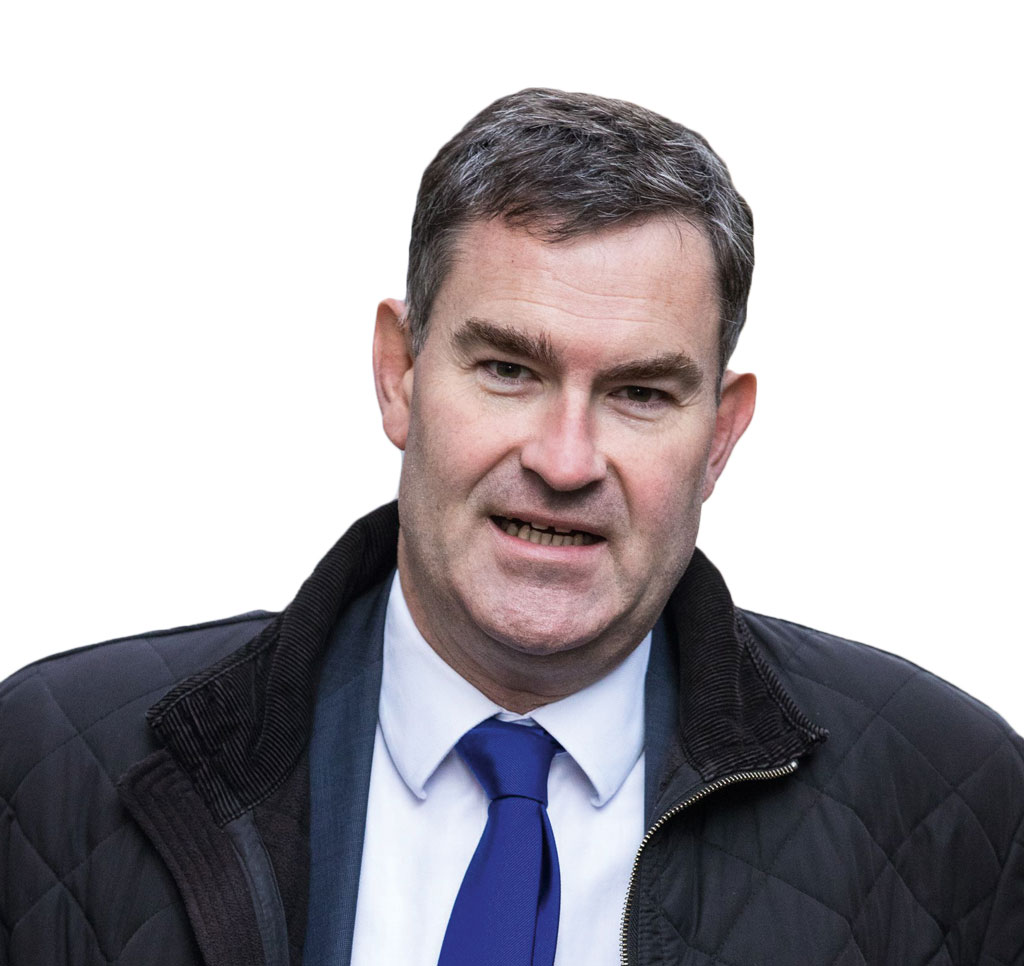
Gauke replaces Lidington as Lord Chancellor in Cabinet reshuffle
Former Macfarlanes and Richards Butler solicitor David Gauke has been appointed Lord Chancellor, just six months after the previous incumbent took office.
Gauke had been the Secretary of State for Work and Pensions since June 2017, and Chief Secretary to the Treasury since July 2016. He has been the MP for South West Hertfordshire since 2005. He studied law at Oxford University, graduating in 1993, and the College of Law in Chester (1995) before training at Richards Butler, later joining the financial services group at City firm Macfarlanes.
His predecessor, David Lidington, was appointed to Cabinet Office Secretary, replacing Damian Green, in the Cabinet reshuffle this week.
The role of Lord Chancellorship has had a rapid turnover recently. Lidington replaced Liz Truss as Lord Chancellor just six months ago. Truss was in the role for 11 months. Her predecessor, Michael Gove, occupied the post for one year and four months.
NLJ consultant editor David Greene said: ‘At least we now have a lawyer as Lord Chancellor. In a break with tradition David Gauke is a solicitor which adds to the pleasure of his appointment. Having practised at Macfarlanes he may be a little rusty on legal aid practice but at least he should have familiarity with our work and business and the principles of access to justice and the rule of law.’
Chair of the Bar, Andrew Walker QC, said: ‘Following significant cutbacks in the provision of legal aid over several years it is vital that the Ministry of Justice completes the thorough review of the Legal Aid, Sentencing and Punishment of Offenders Act (LASPO) to which it is already committed, to ensure that the public interest in the provision of high quality and efficient legal services is addressed.
‘The global reputation of the UK’s legal services sector, which is underpinned by the independence of our judiciary, are hugely important national assets which must be defended. That is why is it is so important that the court transformation programme is managed well and addresses the needs of all stakeholders. We wish the Lord Chancellor well in addressing the demanding challenges that lie ahead.’
Law Society president Joe Egan said Gauke had inherited the role at a time of challenge for the legal sector. ‘Priorities include promoting access to justice, ensuring the viability of legal aid and delivering an effective court modernisation programme,’ he said.
‘In addition, the Lord Chancellor will be a prominent voice as we seek to gain the best possible deal for the UK legal sector in the government’s negotiations for a new relationship with the European Union post-Brexit.’



