
header-logo header-logo

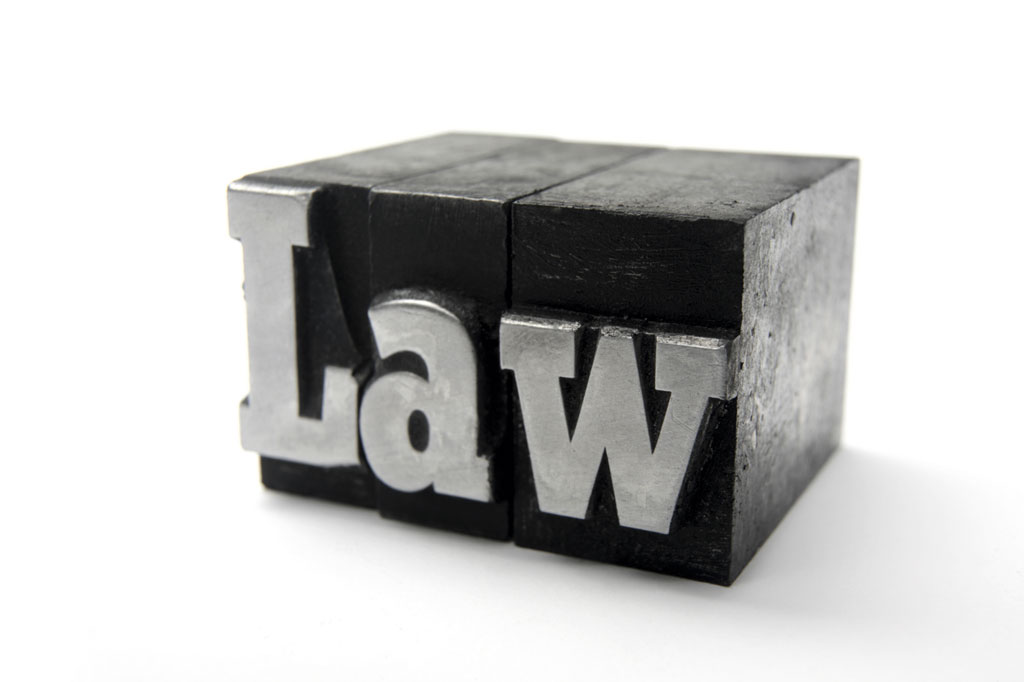
Legal typeface: the letter of the law

17 June 2016 / Athelstane Aamodt
Issue: 7703 / Categories: Features
printer mail-detail
nlj_7703_aamondt

Typeface in legal documents should not be underestimated, says Athelstane Aamodt

How much thought do you put into the typeface that you use to draft documents? Or the typeface that features on your writing-paper or business cards? Or the layout of your written work generally? If the answer is “none whatsoever”, then you might want to reconsider.

Typography matters a very great deal, and it should matter especially to lawyers. After all, we spend a great deal of our professional lives writing, whether it is a short e-mail or a skeleton argument for a hearing in the Court of Appeal. Our writing is important. And that makes typography important; the clear, elegant, easy-on-the eye written expression of an argument is going to be better appreciated and more easily digested.

Comic capers

Let me give an example: I once received a draft settlement agreement drafted by an opposing lawyer that was set in Comic Sans. In case you don’t know what Comic Sans is, fire up Microsoft Word and have a look at

If you are not a subscriber, subscribe now to read this content
If you are already a subscriber sign in
...or Register for two weeks' free access to subscriber content

MOVERS & SHAKERS

Freeths—Ruth Clare

Freeths—Ruth Clare

National real estate team bolstered by partner hire in Manchester

Farrer & Co—Claire Gordon

Farrer & Co—Claire Gordon

Partner appointed head of family team

mfg Solicitors—Neil Harrison

mfg Solicitors—Neil Harrison

Firm strengthens agriculture and rural affairs team with partner return

NEWS
Conveyancing lawyers have enjoyed a rapid win after campaigning against UK Finance’s decision to charge for access to the Mortgage Lenders’ Handbook
The Crown Prosecution Service (CPS) has launched a recruitment drive for talented early career and more senior barristers and solicitors
Regulators differed in the clarity and consistency of their post-Mazur advice and guidance, according to an interim report by the Legal Services Board (LSB)
The Solicitors Act 1974 may still underpin legal regulation, but its age is increasingly showing. Writing in NLJ this week, Victoria Morrison-Hughes of the Association of Costs Lawyers argues that the Act is ‘out of step with modern consumer law’ and actively deters fairness
A Competition Appeal Tribunal (CAT) ruling has reopened debate on the availability of ‘user damages’ in competition claims. Writing in NLJ this week, Edward Nyman of Hausfeld explains how the CAT allowed Dr Liza Lovdahl Gormsen’s alternative damages case against Meta to proceed, rejecting arguments that such damages are barred in competition law
back-to-top-scroll
