


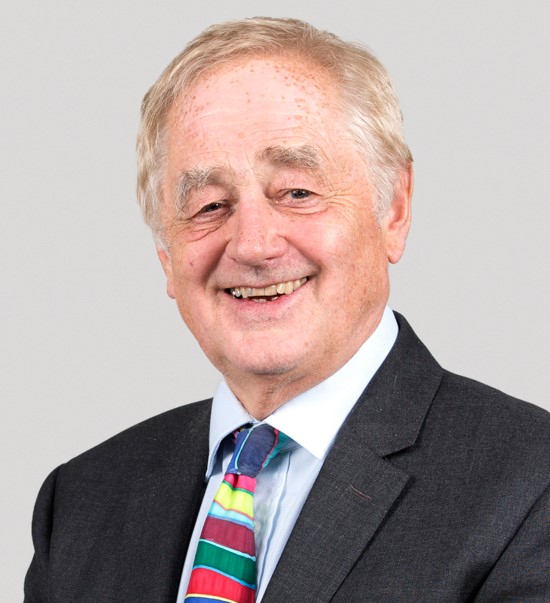
The firm, which Allen co-founded with Henry Hodge and Peter Jones in 1977, eight months after qualifying as a solicitor, now employs more than 250 people and is renowned for its work in multiparty actions, medical negligence, housing, civil liberties, family, human rights and criminal and protest law. To mark its launch from offices on Camden High Street, Hodge framed a £5 note which he received for his first fixed fee interview. However, the note was later stolen by a criminal client.
Allen, who is an NLJ columnist and a former president of the Association of Personal Injury Lawyers (2003-2004), specialises in complex personal injury and multi-party cases.
Allen is due to formally retire on 30 September.
He said: ‘As anyone who runs a law firm will know the economic headwinds, legislative change and financial pressures never abate, so to have stayed the course delivering the same work over almost five decades speaks volumes about our commitment to helping people in often unfashionable areas of the law.
‘Over the years we have also helped over 300 lawyers to qualify. It has been my great privilege to act for so many amazing clients and work with dedicated and brilliant colleagues.’
After retiring, he intends to focus on the Progressive Economy Forum, a thinktank he founded, as well as family, travelling, windsurfing, skiing, vegetable growing and piano playing.
Allen was inspired to become a lawyer after seeing a friend wrongfully arrested and charged by the police at a demo in 1971, and later acquitted in court. He gave evidence at the trial.
He went on to represent clients in several high-profile actions during his career, including those affected by the King’s Cross fire in 1987 and UK veterans bringing Gulf War illness claims. Other notable work included the New Cross fire inquest, the MMR and Sheep Dip multi-party actions and the Marchioness litigation.
He was a deputy district judge, from 1998 to 2014.
From 2003 to 2005, he acted for several of the women who had been incarcerated as slave labour workers in the so-called Magdalene laundries and who have since been awarded compensation by the Irish government. He was also instructed by the Bridgewater Four in their miscarriage of justice claim against the Home Office.
More recently, his firm led the successful ten-year-long campaign on behalf of the mother of Ella Kissi-Debrah, who was the first person to have air pollution recorded as a cause of death on her death certificate and reached an undisclosed settlement with the government.
His firm has also represented claimants at public inquiries into the Grenfell Tower fire, undercover policing, the Post Office scandal and the Lampard inquiry into mental health deaths in Essex.
From 1 October, HJA will be run by the firm’s existing management team, led by Chun Wong, head of dispute resolution and Julie Hardy, director of finance.



