
header-logo header-logo

Gender identities: a two-tier system?

04 February 2022 / Jack Castle , Oscar Davies
Issue: 7965 / Categories: Features , Human rights
printer mail-detail
71044
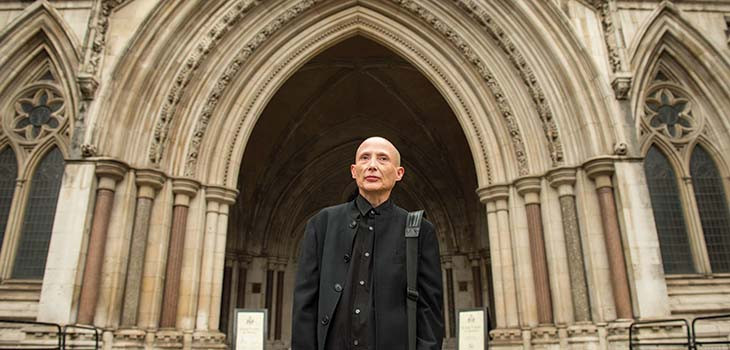
Elan-Cane: has the Supreme Court created an imbalance in rights protection between binary & non-binary genders? Jack Castle & Oscar Davies examine the ruling
  • Elan-Cane is contrary to domestic and international developments, which are moving towards legal recognition of non-binary gender identities.

In R (on the application of Elan-Cane) v Secretary of State for the Home Department [2021] UKSC 56, [2021] All ER (D) 53 (Dec), the Supreme Court found there was no positive obligation on the state to provide the option of an ‘X’ gender category on passports.

The claimant, Christie Elan-Cane, is non-gendered; ‘non-gendered’ being one of the gender identities that are neither male nor female. Although common ground that this gender identity engaged Art 8 of the European Convention on Human Rights, the amount of ‘respect’ due to that aspect of private life did not outweigh other factors, in particular the interest in a coherent state-wide administrative approach. However, the court’s reasoning differentiates between, on the one hand, binary male- and female-gendered people (whether cis-

If you are not a subscriber, subscribe now to read this content
If you are already a subscriber sign in
...or Register for two weeks' free access to subscriber content

MOVERS & SHAKERS

Quinn Emanuel—James McSweeney

Quinn Emanuel—James McSweeney

London promotion underscores firm’s investment in white collar and investigations

Ward Hadaway—Louise Miller

Ward Hadaway—Louise Miller

Private client team strengthened by partner appointment

NLJ Career Profile: Kate Gaskell, Flex Legal

NLJ Career Profile: Kate Gaskell, Flex Legal

Kate Gaskell, CEO of Flex Legal, reflects on chasing her childhood dreams underscores the importance of welcoming those from all backgrounds into the profession

NEWS
Overcrowded prisons, mental health hospitals and immigration centres are failing to meet international and domestic human rights standards, the National Preventive Mechanism (NPM) has warned
Two speedier and more streamlined qualification routes have been launched for probate and conveyancing professionals
Workplace stress was a contributing factor in almost one in eight cases before the employment tribunal last year, indicating its endemic grip on the UK workplace
Professor Dominic Regan of City Law School highlights a turbulent end to 2025 in the civil courts, from the looming appeal in Mazur to judicial frustration with ever-expanding bundles, in his final NLJ 'The insider' column of the year
Antonia Glover of Quinn Emanuel outlines sweeping transparency reforms following the work of the Transparency and Open Justice Board in this week's NLJ
back-to-top-scroll
